
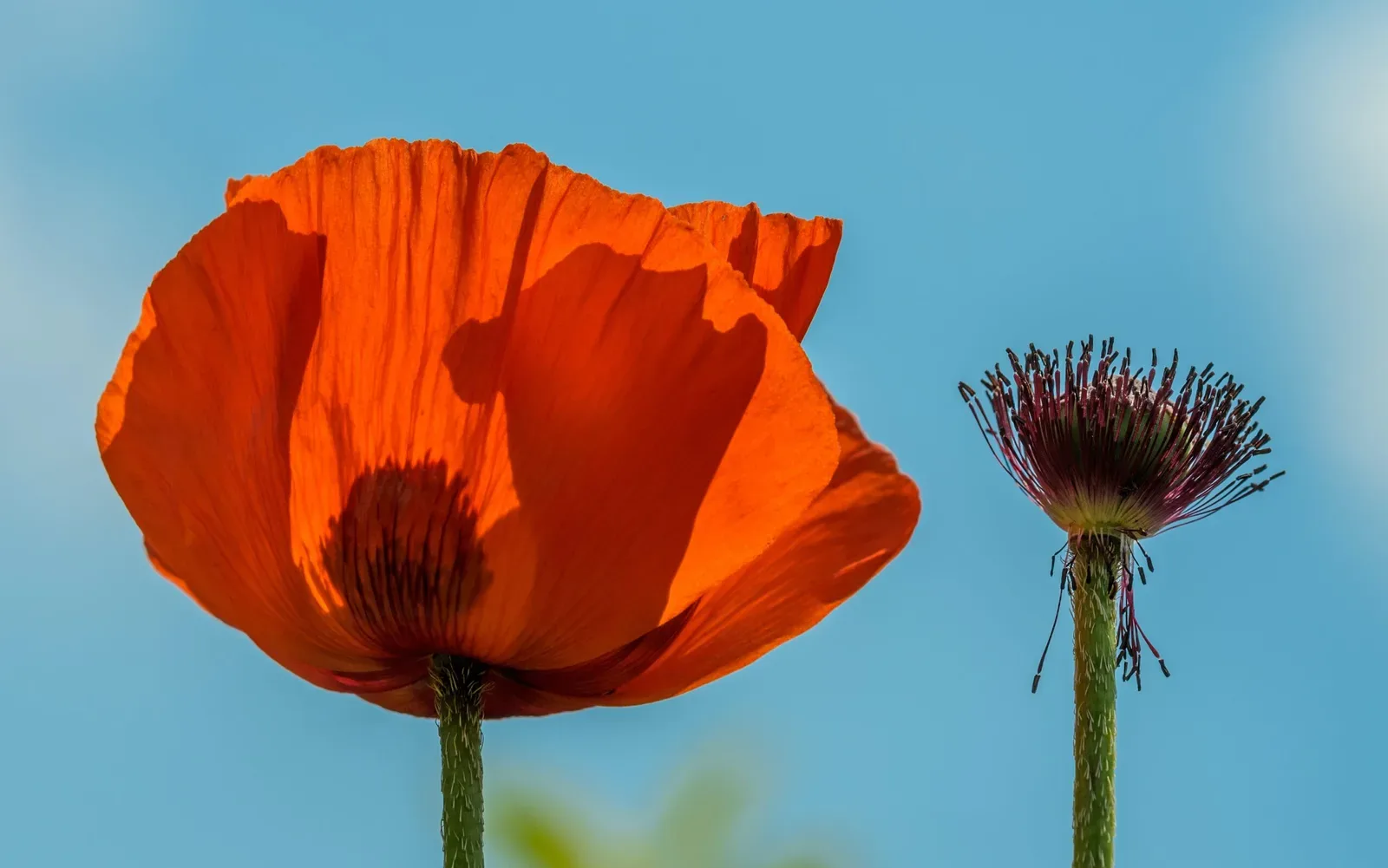
California Poppy
By Dr. Rev. Isabel Sharkar, NMD
California Poppy Eases Nervous Tension
The beautiful golden-orange state flower of California has several uses for troubling times. California poppy (Eschscholzia californica) has been used in the management of insomnia, mood disturbance, fatigue, and nervous tension. This beautiful flower may also reduce aches and pains associated with over-exertion and stress.California poppy contains biologically active chemicals recognized for causing sleepiness and relaxation. Some of these biochemicals may block certain brain chemicals or transporters in the brain and nervous system.In case you're wondering, California poppy is not the same as the opium poppy. Rather, it is a distant botanical relative of the more infamous poppy. The California variety does not contain any opiates, does not cause addiction, and is safe for most people for use up to a three-month period and under care of a holistic practitioner (safety of longer-term use has not been extensively studied).The appropriate dose of this herb depends on several factors such as age, health history, and other medical concerns. Because California poppy has sedative effects, it can interact with prescription medications. It also may also interfere with safe operation of machinery and vehicles. Additionally, it is not recommended for women who are pregnant or breastfeeding.
REFERENCES
- RxList.com. "California Poppy." Accessed 23 Nov 2020.
- Naturally Healthy Concepts. "California Poppy." Accessed 23 Nov 2020.
Medical Disclaimer
This content is provided by Indigo Integrative Health Clinic for educational purposes only. It does not constitute medical advice, a diagnosis, or a treatment recommendation, and does not establish a provider-patient relationship. Individual health conditions vary — information presented here may not apply to your specific situation. Always consult a qualified, licensed healthcare provider before making decisions about your health, medications, supplements, or treatment plan.






Continue reading
Stinging Nettle & Allergies
Botanical Rx
Palo Santo
Description to be added soon
Botanical Rx
The Power of Cat's Claw
Botanical Rx