
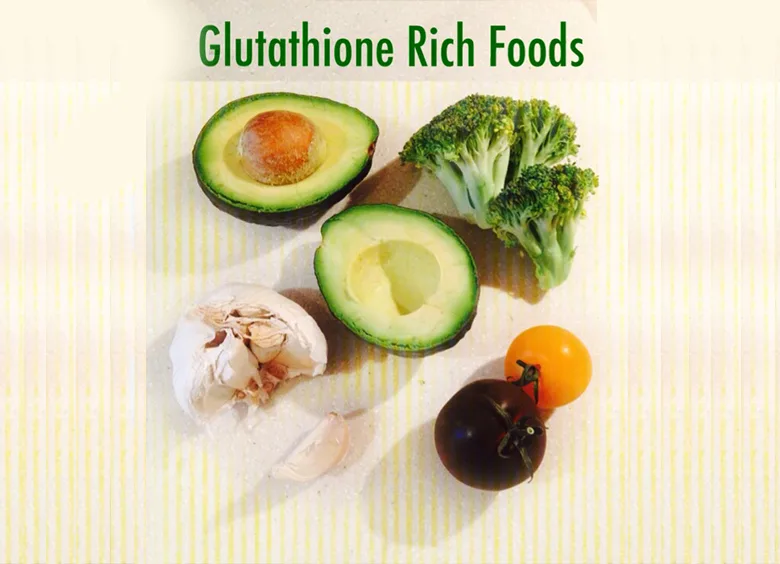
Glutathione, A Powerful Antioxidant
By Dr. Rev. Isabel Sharkar, NMD | Published Nov 2014
With all of the toxins floating around these days and getting more prevalent in our modern day society, antioxidants are a becoming increasingly popular. Glutathione, the most powerful antioxidant, is naturally produced in the liver, the organ most responsible for detoxifying the body. It is involved in numerous important functions such as DNA synthesis and repair, amino acid transport, enzyme activation, toxin, carcinogen and xenobiotic metabolism, heavy metal conjugation and elimination, as well as decreases radiation and free radical damage. It maximizes the activity of other antioxidants like vitamins C and E, CoQ10 and alpha lipoic acid.
Low levels of glutathione are a major cause of aging and disease. In order to maintain optimal health and activity, increasing glutathione in the body is critical. Glutathione production is decreased by toxic overload, an unhealthy diet, stress, lack of exercise and some prescription medications. It helps to improve neurodegenerative diseases such as Parkinson’s disease, Alzheimer’s and Multiple Sclerosis, as well as autism, heart, lung and liver disease, asthma, cystic fibrosis, cancer, chronic fatigue syndrome and osteoarthritis. Further, it prevents poisonous side effects of cancer treatment, aids in tissue repair and enhances athletic performance by increasing muscle strength and endurance.
To boost glutathione levels, consider eating sulfur rich foods like garlic, onions and cruciferous vegetables (broccoli, cauliflower, cabbage, brussels sprouts). Minimize your exposure to toxins by filtering your water, using organic chemical free personal care products as well as organic homemade natural cleaning products, and avoid using plastic containers to store food and water. Although oral glutathione is not very stable, the liposomal glutathione is the better option. However, intravenous (IV) glutathione is best and most effective in delivering the nutrient directly through the bloodstream and into the cells. Contact your naturopathic doctor about incorporating intravenous glutathione therapy and the appropriate glutathione protocol for you.
Medical Disclaimer
This content is provided by Indigo Integrative Health Clinic for educational purposes only. It does not constitute medical advice, a diagnosis, or a treatment recommendation, and does not establish a provider-patient relationship. Individual health conditions vary — information presented here may not apply to your specific situation. Always consult a qualified, licensed healthcare provider before making decisions about your health, medications, supplements, or treatment plan.






Continue reading

Earth-Friendly Diet Resolutions
Description to be added soon
Clinical Nutrition
Walnuts - The Ultimate Brain Food?
Clinical Nutrition
Mediterranean Spaghetti Squash
Clinical Nutrition