
L-Theanine
By Dr. Rev. Isabel Sharkar, NMD | Published Aug 2023
L-Theanine
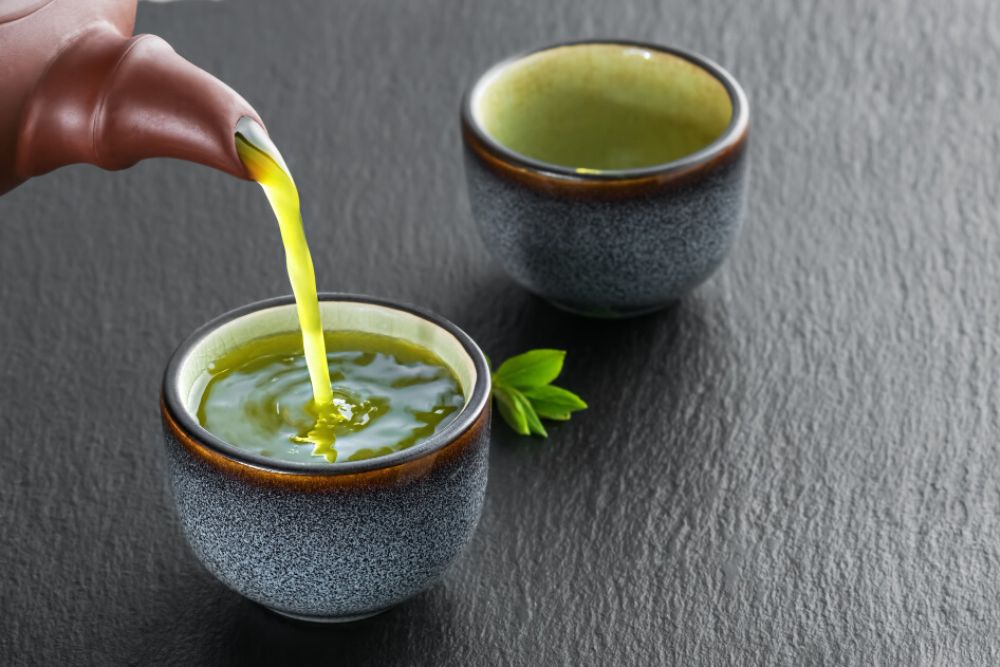
L-theanine is an amino acid isolated from green tea leaves (Camilla sinensis) and some mushroom varieties. It has a neuroprotective effect which is important in today's world of ever-increasing Alzheimer/dementia patients. With stress being so high,this amino acid also supports a more balanced mood to face life's many challenges.It has also been shown to promote relaxation, improve mental focus, and reduce anxiety. It can also boost cognitive function and enhance sleep quality. It is considered safe and non-addictive, making it a popular natural supplement for stress relief and improved mental performance.Studies have shown L-theanine can help improve cognitive function including decision making and verbal fluency. Additionally, it can help you fall asleep faster. It also helps reduce overall stress and can increase attentiveness and supports a healthy mood by lowering anxiety and depression scores in a healthy adult population when compared to a placebo.According to human and animal toxicity studies, L-theanine is well-tolerated. It is found in single supplements or in formula blends supportive of overall mood, mental health, or improved sleep. Green tea also contains this amino acid. Gyokuro and matcha green teas have been shown to contain more L-theanine than sencha, so if you are looking to add green tea to your diet you may find more benefit from choosing one with more of beneficial amino acid.
REFERENCES
- Baba, Yoshitake, et al. 2021. "Effects of l-Theanine on Cognitive Function in Middle-Aged and Older Subjects: A Randomized Placebo-Controlled Study." Journal of Medicinal Food, 24(4); 333-341. doi:10.1089/jmf.2020.4803.
- Hidese, Shinsuke, et al. 2019. "Effects of L-Theanine Administration on Stress-Related Symptoms and Cognitive Functions in Healthy Adults: A Randomized Controlled Trial." Nutrients, Oct. 3, 2019, 11(10); 2362. doi:10.3390/nu11102362.
Medical Disclaimer
This content is provided by Indigo Integrative Health Clinic for educational purposes only. It does not constitute medical advice, a diagnosis, or a treatment recommendation, and does not establish a provider-patient relationship. Individual health conditions vary — information presented here may not apply to your specific situation. Always consult a qualified, licensed healthcare provider before making decisions about your health, medications, supplements, or treatment plan.






Continue reading

Earth-Friendly Diet Resolutions
Description to be added soon
Clinical Nutrition
Walnuts - The Ultimate Brain Food?
Clinical Nutrition
Mediterranean Spaghetti Squash
Clinical Nutrition