
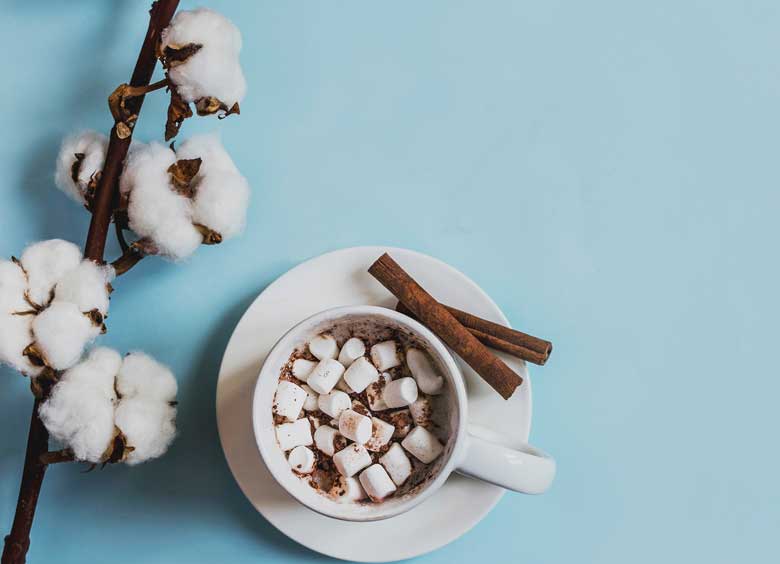
Heal Thy Gut With Marshmallow Root
By Caroline Hoeffgen, COO, BCHC, JD | Reviewed by Dr. Rev. Isabel Sharkar, NMD | Published Nov 2019
There’s much more to that sweet, fluffy treat we enjoy melted in a s’more or sprinkled atop hot cocoa. Marshmallow (Althaea officinalis) is an ancient herb whose Greek name, Althainean, means “to heal.” Ancient Greek and Egyptian healers used Marshmallow flowers and leaves in salads to support healthy digestion. A secretion, known as mucilage, from its roots and stems, was used to soften the skin, treat sore throats, and ease congestion.Modern holistic practitioners use Marshmallow Root (aka “mallow”) for these purposes and in treatment preparations for:
- Inflammation of the lining of the stomach
- Digestive issues including diarrhea stomach ulcers, constipation
- Inflammatory bowel disease
- Leaky gut syndrome
- Autoimmune disorders
- Skin conditions such as eczema
- Bloating and water retention
- Dry coughs and colds
- Bacterial infections and respiratory infections
A key healing property of Marshmallow Root is the ability to soothe inflammation of the mucous membranes throughout the body. When food sensitivity and or allergies, illness, or other factors interfere with healthy digestion, a person can experience upset stomach, heartburn, constipation or diarrhea. Mallow forms a thick protective coating in the digestive tract, which helps reduce the burning and tame other symptoms of digestive distress.With tall stalks topped by a lovely five-petal white blossom with purple center, Marshmallow Root makes a striking addition to a garden – especially if you enjoy harvesting for herbal tea. Supplements come in different forms including powder, tea, extract, ointments, and capsule. While considered safe for most adults and children, do ask your holistic practitioner which preparations of are best for you.
REFERENCES
- Mars, Brigitte & Chrystle Fiedler. “The Home Reference to Holistic Health & Healing.” (2015) Fair Winds Press: Beverly, MA.
- Basch E, Ulbricht C, Hammerness P, Vora M. Marshmallow (Althaea officinalis L.) monograph. J Herb Pharmacother. 2003;3(3):71-81. Accessed 6 Mar 2018.
- HerbWisdom.com “Marshmallow (Althaea).” Accessed 6 March 2018.
Medical Disclaimer
This content is provided by Indigo Integrative Health Clinic for educational purposes only. It does not constitute medical advice, a diagnosis, or a treatment recommendation, and does not establish a provider-patient relationship. Individual health conditions vary — information presented here may not apply to your specific situation. Always consult a qualified, licensed healthcare provider before making decisions about your health, medications, supplements, or treatment plan.






Continue reading
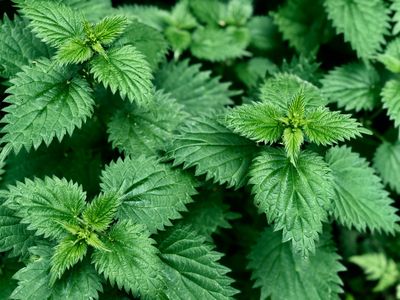
Stinging Nettle & Allergies
Botanical Rx
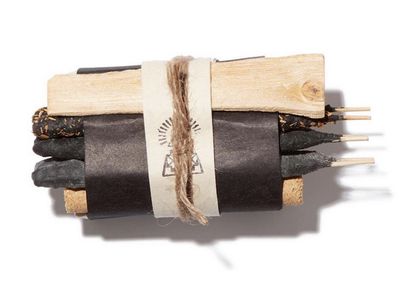
Palo Santo
Description to be added soon
Botanical Rx

The Power of Cat's Claw
Botanical Rx