
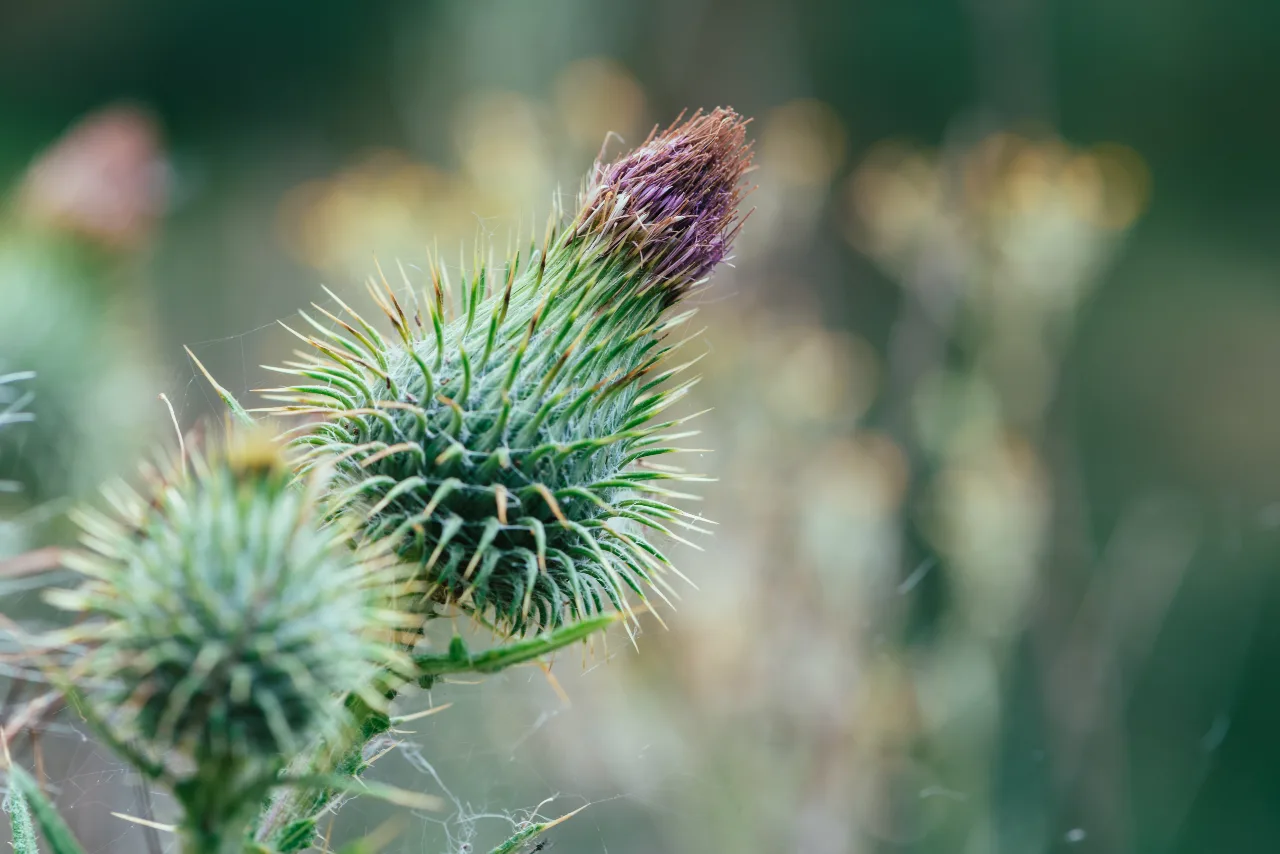
Milk Thistle, For Detoxification
By Dr. Rev. Isabel Sharkar, NMD
Milk Thistle, A Natural Detoxifier
For over 2,0000 years, Milk thistle (Silybum marianum) has been used as an herbal remedy for digestive, liver, kidney, and gallbladder conditions. The active ingredient in milk thistle is silymarin, which can be extracted from the seeds of the plant. Research has shown this special herb has a protective effect on the liver and similar findings have been seen in studies involving kidney function.Silymarin promotes cell regeneration in the kidneys, just as in the liver. It also appears to protect kidney cells from damage and hinders the inflammatory response in tissue. Silymarin also has a diuretic effect while preserving the body's store of potassium, an electrolyte important to the function of cells throughout the body including the heart and muscles. Some physicians recommend taking milk thistle when a patient needs any drug that may potentially damage the kidneys. Studies are also looking at protective benefits it may provide for people who have to undergo certain types of chemotherapy.Milk thistle is available in capsule, extract, powder, and tincture form. The most common preparation is tea or an extract. If you have an allergy to plants such as ragweed and marigold, you may be allergic to milk thistle. Always consult with your doctor before taking any herbal supplement to determine if it's right for you and the amount appropriate for your needs.Milk thistle is the key ingredient in our Indigo Formulations Liver Support supplement.
REFERENCES
- Johnson, R.L., S. Foster, Low Dog, T. and Kiefer, D. "Milk Thistle" in National Geographic Guide to Medicinal Herbs: The World's Most Effective Healing Plants. Washington, D.C.: National Geographic, 2012. 167-169.
- Abascal K, Yarnell E. "The many faces of Silybum marianum (milk thistle) - Part 1." Alternative & Complementary Therapies. (2003 August) 170-175. Accessed 13 Sep 2020.
- Abascal K, Yarnell E. "The many faces of Silybum marianum (milk thistle) - Part 2." Alternative & Complementary Therapies. (2003 October). 251-256. Accessed 13 Sep 2020.
- Herb Wisdom. "Milk Thistle Benefits." Accessed on 9/10/2020.
- National Cancer Institute. "Milk Thistle Information for Health Professionals." Accessed on 9/8/2020.
Medical Disclaimer
This content is provided by Indigo Integrative Health Clinic for educational purposes only. It does not constitute medical advice, a diagnosis, or a treatment recommendation, and does not establish a provider-patient relationship. Individual health conditions vary — information presented here may not apply to your specific situation. Always consult a qualified, licensed healthcare provider before making decisions about your health, medications, supplements, or treatment plan.






Continue reading
Stinging Nettle & Allergies
Botanical Rx
Palo Santo
Description to be added soon
Botanical Rx

The Power of Cat's Claw
Botanical Rx