
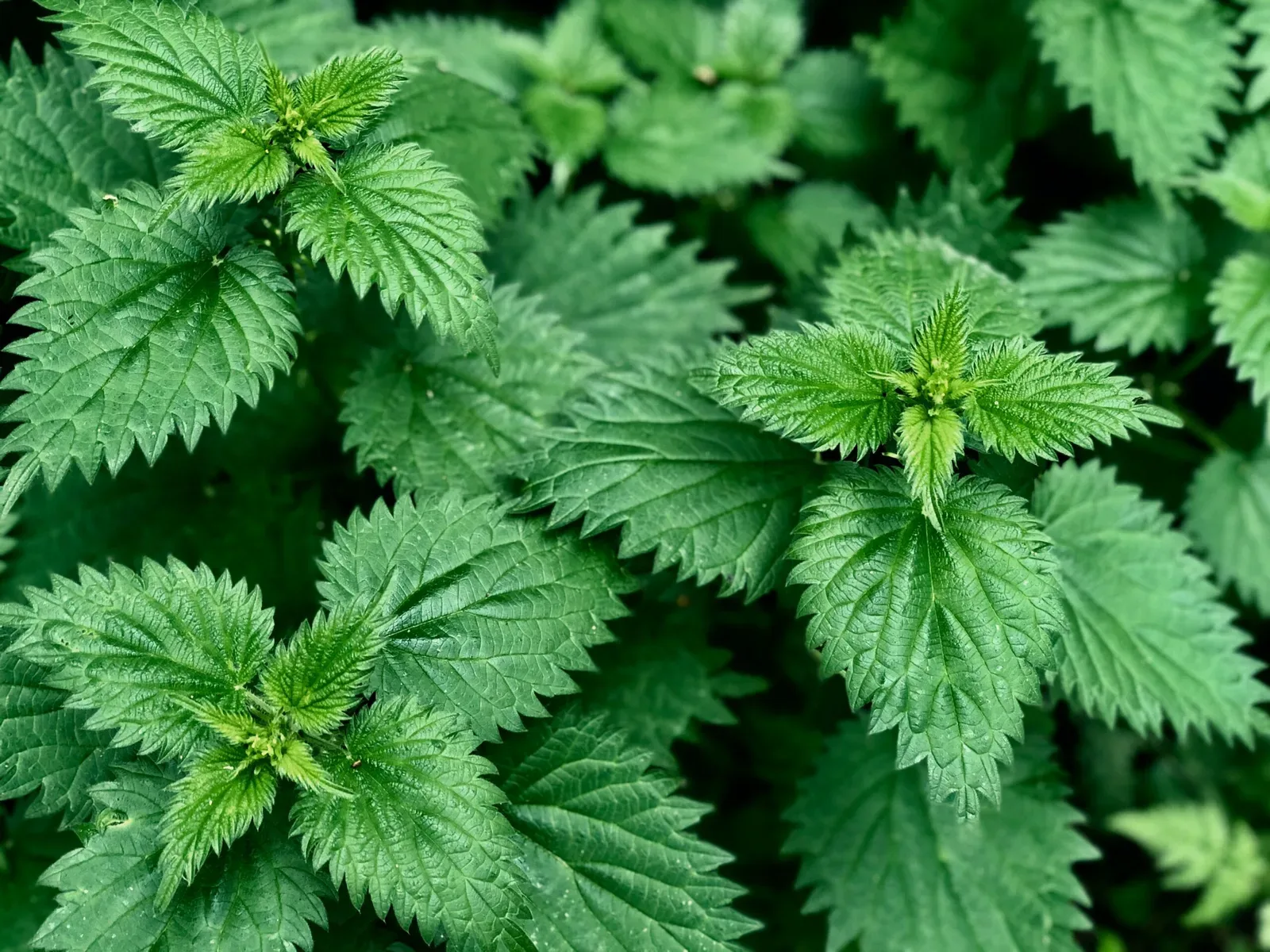
Stinging Nettle & Allergies
By Dr. Rev. Isabel Sharkar, NMD | Published Oct 2023
Stinging Nettle to Minimize Outdoor Allergy Symptoms
If you love to be outdoors, but are irritated by seasonal pollen, consider the herb Stinging Nettle to help reduce the sneezing and itching symptoms of hay fever. A well-established remedy in Western botanical medicine, Stinging Nettle (Urtica dioica) leaves are recognized for their anti-inflammatory properties and other actions that support the immune system's response to allergens.
Stinging Nettle does a good job at stabilizing mast cells, a type of white blood cell that becomes overactive in the body's response to allergens and other substances that can enter the body. The leaves have been used to alleviate irritation seen in allergic respiratory symptoms as well as skin allergies. It has a diuretic effect, which can help flush environmental irritants out of the body. It also supports the detoxifying action of the lymphatic system, which has important roles in immunity and recovery from illness or injury. Even though it has diuretic actions, which can flush nutrients along with toxins from the body, Stinging Nettle is also nourishing because of the robust nutrients it contains. This is why it's considered to be a "balancing" herb.
One of our best Indigo Formulations supplement products, Seasonal Ix, includes Stinging Nettle and works remarkably well for seasonal allergies. The combination of Vitamin C, Stinging Nettle and Quercetin is key!
One of the best ways to alleviate allergy symptoms is to drink a cup of warm Stinging Nettle tea a few times throughout the day:
- Steep 2 tablespoons crushed dried leaves in 12 ounces of water.
- Combine with 1 teaspoon local honey.
If you are heading outdoors on a summer day, chill the tea the night before and bring it with you. When not combined with other herbs, nettle tea has a flavor profile similar to green tea: grassy with earthy notes.
Avoid Urtica if you're allergic or sensitive to nettle or plants in the same family. There is evidence that this herb can lower blood pressure, change blood sugar and cause uterine contractions. If you take high blood pressure medications, have diabetes or are pregnant, check with your doctor before using Stinging Nettle on a regular basis.
Allergen Fighting Nettle Tea Blend
This is a great recipe for chilled nettle tea that adults and kids can enjoy. This combination of herbs shifts the flavor profile from grassy to earthy and flowery.
Ingredients
- 1 ounce Rooibos tea leaves
- 1 ounce nettle tea leaves
- 1 ounce lemon balm tea leaves
- 1/2 teaspoon ground ginger (or grated fresh ginger)
Preparation
- Mix tea leaves together in an appropriate size airtight container (you will store the extra tea)
- Use about 1 heaping teaspoon of tea per 8 ounces hot water*
- Let steep, covered, for 5 minutes, then add raw local honey and/or fresh lemon, if desired.
- Store in the fridge overnight, or add plenty of ice and head outdoors. Sip frequently.
- *Make sure water doesn't exceed 212 degrees F, which is the boiling point at sea level; otherwise it can lessen the effectiveness of the tea.
- Options: You can add other herbs in equal amounts to the blend. For example, lavender or peppermint could replace lemon balm. Experiment, but keep your total variety of teas to five or fewer.
REFERENCES
- Forage for Health.com "Stinging Nettle For Health." Accessed 14 April 202.
- HerbWisdom.com "Nettle (Urtica Dioica): Stinging Nettle Benefits." Accessed 1 Mar 2017.
- Drexel.edu "Clinical Applications of Stinging Nettle." (Aug 2012). Accessed 14 April 2021.
- Johnson TA, Sohn J, Inman WD, et al., "Lipophilic stinging nettle extracts possess potent anti-inflammatory activity, are not cytotoxic and may be superior to traditional tinctures for treating inflammatory disorders." Phytomedicine. (2013) 20:143-7. Accessed 1 Mar 2017.
- Recipe Source: Medicine Talk Staff
Medical Disclaimer
This content is provided by Indigo Integrative Health Clinic for educational purposes only. It does not constitute medical advice, a diagnosis, or a treatment recommendation, and does not establish a provider-patient relationship. Individual health conditions vary — information presented here may not apply to your specific situation. Always consult a qualified, licensed healthcare provider before making decisions about your health, medications, supplements, or treatment plan.






Continue reading
Palo Santo
Description to be added soon
Botanical Rx

The Power of Cat's Claw
Botanical Rx
California Poppy
Botanical Rx