
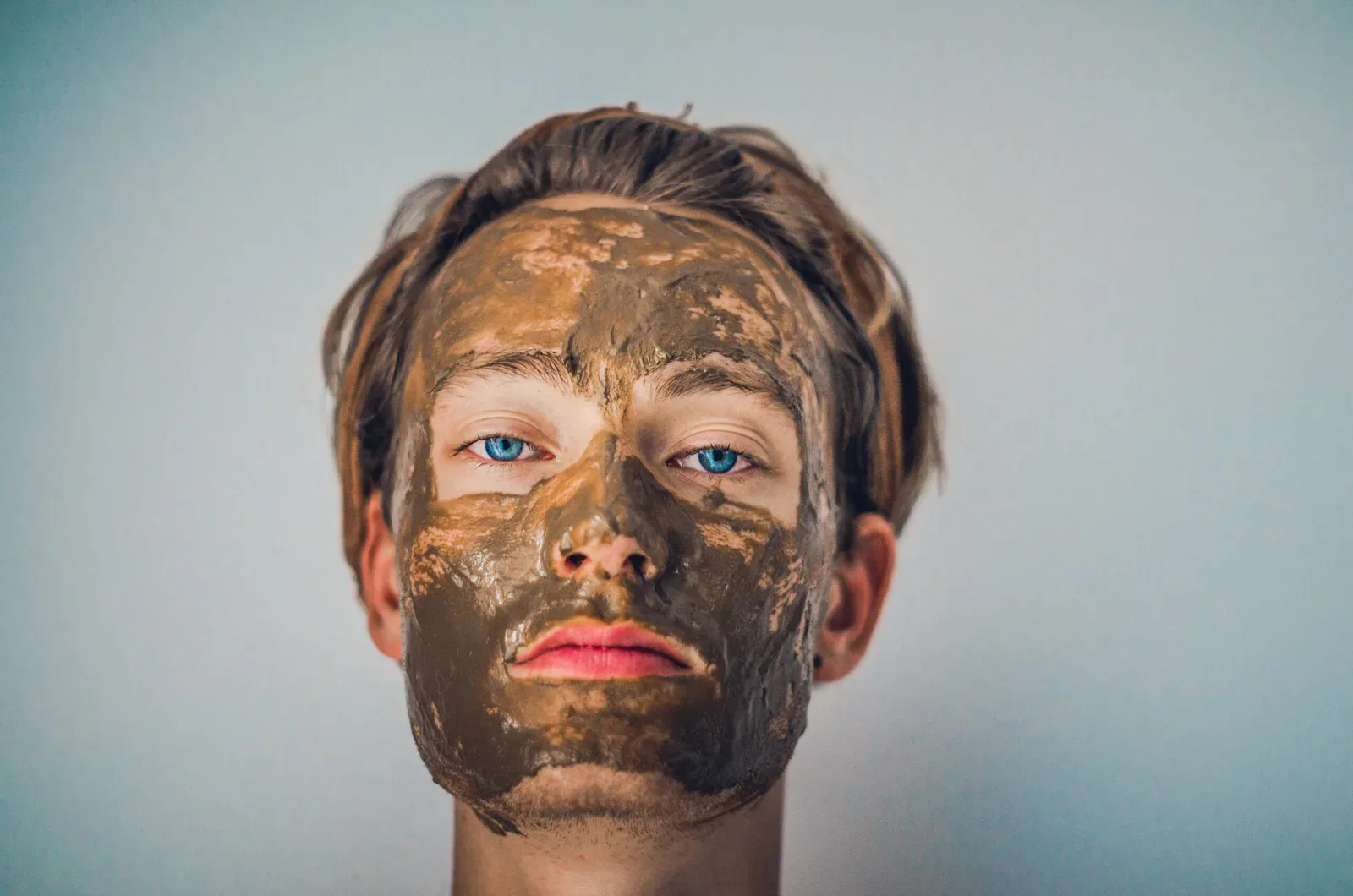
Botanical Face Mask
By Dr. Rev. Isabel Sharkar, NMD | Published Nov 2021
Botanical Face Mask Benefits In Your Skincare Routine
A face mask is your skin's best friend! Mother Nature provides an abundant variety of flowers, roots, seeds, pulp, and essential oils from which to create topical skincare remedies. Cleanser, scrubs, toners, masks, and moisturizers are among the cosmetic products that are formulated with botanicals to meet the needs of different skin types.Face masks are easy to apply and a great way to nourish different types of skin and address specific skin concerns (dry, oily, acne-prone). The general purpose of a mask is to provide a deeper cleanse, drawing out impurities such as toxins and excess oil, that can be missed with routine cleansing.
Additionally, adding a face mask to your skincare routine is:
- Hydrating for the skin
- Tonifying for the skin
- Relaxing
Some of the most common botanicals used in masks include aloe vera, apricot, chamomile, calendula, cucumber, apple cider vinegar, citrus fruits, clay, coconut, frankincense, honey, lavender, oat, pumpkin, rose, turmeric, and witch hazel. Ideally, you want a mask that is made of primarily natural and organic (where possible) ingredients. You can also make effective masks at home.
Natural Mask for Oily/ Acne-Prone Skin
For acne-prone skin, an excellent mask that you can make at home uses bentonite clay as the base. Bentonite clay, sourced from Benton, Wyoming and Europe, is a highly absorbent natural clay that has been used for centuries to draw impurities out of the skin and hair. Bentonite is excellent for deep-cleaning the pores. When combined with enzyme-rich raw honey and pH balancing apple cider vinegar, you've got a mask that's gentle yet potent for zapping zits and brightening the complexion.
Recipe for 1 Bentonite Clay Anti-Acne Mask
WHAT YOU NEED
- 1-1/2 teaspoons (7.5 mL) warm water
- 1/2 teaspoon (2.5 mL) apple cider vinegar
- 1/4 teaspoon (1.25 mL) manuka honey (the honey can be eliminated if preferred)
- 1/2 to 1 teaspoon (4 to 5 g) bentonite clay
HOW TO PREPARE
- Stir the water, vinegar, and honey together in a small dish. A small whisk or a stirring stick works well.
- Once the honey has dissolved into the water and vinegar, sprinkle in the clay, whisking as you go. Bentonite is prone to clumping, so add the clay in small bits at a time, stirring thoroughly between additions. The addition of vinegar to the liquids also helps prevent clumping. The final product should be a thick, frosting-like paste.
- Spread the paste on your face, avoiding your eyes, lips, and nostrils, and paying special attention to any zitty problem areas.Let the mask dry for 10 to 15 minutes before washing it off - it should feel a bit tight on your skin. You can leave it longer if you'd like, but 15 minutes is plenty of time to get the benefits of the mask.
- To remove the mask: Soak a washcloth or soft sponge in warm water and hold it to your face for a few moments to rehydrate the mask. Rinse out the cloth/sponge and gently wipe the clay from the skin using lukewarm to cool water.
- After rinsing off the mask, moisturize your skin.
REFERENCES
- "Five Reasons You Need to Apply a Face Mask." Posted by DiscoverGoodNutrition.com.
- Moosavi, Maryam. "Bentonite Clay as a Natural Remedy: A Brief Review." Iranian journal of public health. (2017) 46,9: 1176-1183. Accessed 14 August 2021.
- Mask Recipe from Mother Earth Living.
Medical Disclaimer
This content is provided by Indigo Integrative Health Clinic for educational purposes only. It does not constitute medical advice, a diagnosis, or a treatment recommendation, and does not establish a provider-patient relationship. Individual health conditions vary — information presented here may not apply to your specific situation. Always consult a qualified, licensed healthcare provider before making decisions about your health, medications, supplements, or treatment plan.






Continue reading

Taller, Slimmer, Younger
Lifestyle

Stress & Your Body
Lifestyle

Planning for Your Best Health in 2021
Lifestyle