Prevention Over Panic
By Dr. Rev. Isabel Sharkar, NMD | Published Dec 2014
There is a lot of controversy about the Ebola virus and deep research reveals the truth behind what is really occurring. Should we panic and be afraid? How concerned should we be? Prevention is the best medicine. As Dr. Vincent Lam said, “A pandemic may be a threatening experience and a legitimate human reaction to threat is fear. Panic is our enemy, knowledge is our friend and preparation in advance is our best line of defense.” Panic clouds judgment and although Ebola is real and among us, it is part of the fear matrix. By properly preparing and equipping your immune system, you do not have to be afraid. Here are two important suggestions to keep in mind.
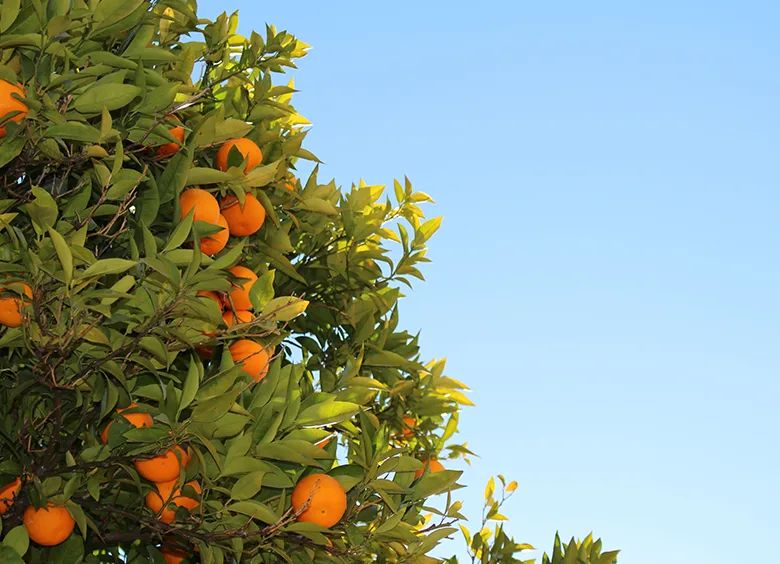
When it comes to certain viruses lingering about, vitamin C is your best friend and loads of it. Ebola is a hemorrhagic fever virus and causes the complete removal of all vitamin C from the body. All the symptoms of Ebola are consistent with complete loss of vitamin C. In the absence of any vitamin C, blood vessels become weak and start to lose blood, while platelets become ineffective and are unable to trigger clots. Massive internal bleeding and loss of blood cause death by Ebola. It can be prevented by immense doses of vitamin C until the immune system succeeds in killing off the virus. To date, no viral infection has been demonstrated to be resistant to the proper dosing of vitamin C. Vitamin C is more absorbable when accompanied by bioflavonoids like those found in pineapple juice. Make vitamin C apart of your daily protocol and see your naturopathic practitioner for the appropriate dosage. Please make sure you are getting good quality non-corn vitamin C, they are not all created equally. There are different types of vitamin C that include liposomal, oral and intravenous. At times of emergency against heavy viral attacks, all three forms are important in extremely large doses. In addition to consuming daily doses of oral vitamin C, weekly intravenous vitamin C infusions are extremely beneficial for boosting the immune system.
The data on silver nanoparticles and their ability to inhibit viral adsorption as well as its virus killing activity in cell-free and cell-associated viruses has been researched and established in literature for a variety of viral infections. Silver appears to offer itself as a potential therapy in the form of both a preventative and therapeutic agent. A study performed by the U.S. Defense Threat Reduction Agency revealed that silver nanoparticles neutralize the hemorrhagic fever viruses, including the Ebola virus.
Survival is based upon how far you are willing to go right now in preventing the affects of any pandemic that arises. A more robust immune system has a greater chance of withstanding any threatening health condition. Ultimately, the choice is yours. Please consult your naturopathic physician for more ways to prepare your immune system.
Medical Disclaimer
This content is provided by Indigo Integrative Health Clinic for educational purposes only. It does not constitute medical advice, a diagnosis, or a treatment recommendation, and does not establish a provider-patient relationship. Individual health conditions vary — information presented here may not apply to your specific situation. Always consult a qualified, licensed healthcare provider before making decisions about your health, medications, supplements, or treatment plan.






Continue reading
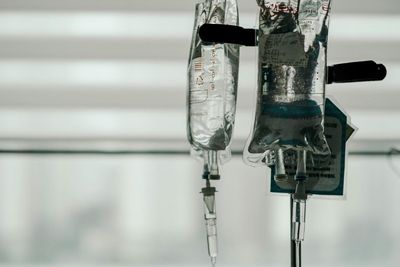
From Supplements to IV Therapy: Knowing When to Add the Next Layer
Discover when to transition from supplements to IV therapy. This guide explains how IV nutrient infusions can support absorption, energy, immune balance, and inflammation when oral strategies plateau.
Health & Well-Being
Why Women in Their 30s–50s Often Don’t Bounce Back: What that Means for Hormones, Metabolism & Sustainable Energy
You're doing everything right — and still not bouncing back. For women in their 30s, 40s, and early 50s, this isn't a motivation problem. It's a physiological one. Discover why sustained demand quietly reshapes hormone signaling, metabolism, and energy production — and what it actually takes to restore balance when conventional strategies stop working.
Health & Well-Being

Seasonal Allergies and Immune System Resilience
Allergy season doesn't have to derail your focus, energy, and momentum. For high-performing women, seasonal symptoms are rarely just about pollen — they're a window into how your immune system is functioning under pressure. Learn why suppressing the response isn't the answer, and what building real immune resilience actually looks like.
Health & Well-Being