
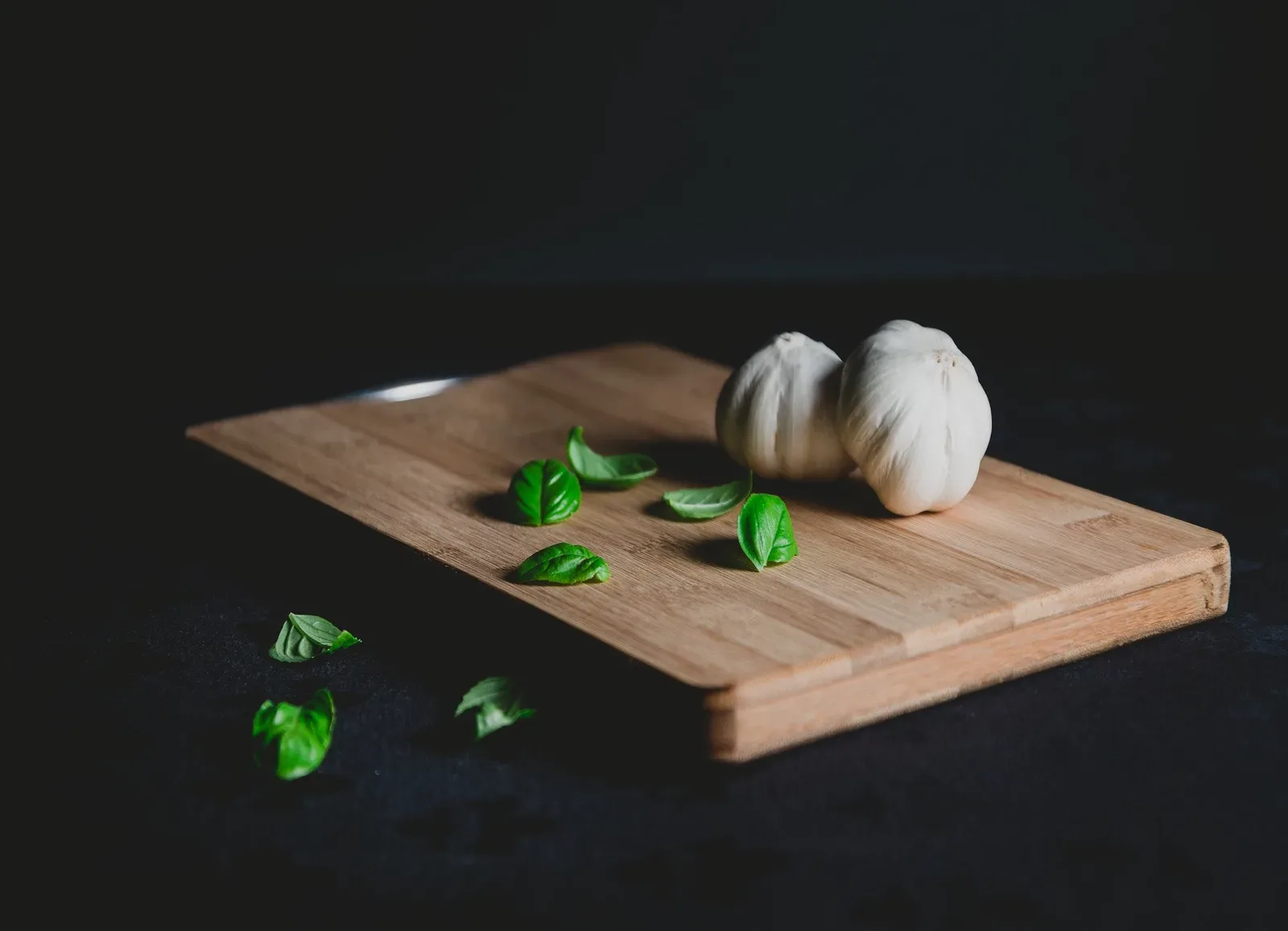
Roasted Sunchokes With Garlic
By Dr. Rev. Isabel Sharkar, NMD | Published Nov 2019
Roasted sunchokes are simple and delicious. Simplicity can be the spice of life and this recipe offers both. Sunchokes have a delightful flavor that is enhanced in this recipe with fresh minced garlic, parsley and Olive Oil. Roasting makes sunchokes (Jerusalem Artichokes) tender on the inside and lightly crisp on the outside. This dish is a perfect addition to any evening meal or for a tasty, healthy snack.
WHAT YOU'LL NEED FOR ROASTED SUNCHOKES
- 1 pound sunchokes
- 2 tbsp olive oil
- 1 tbsp minced garlic
- 1 tspn sea salt
- 1/2 tspn fresh ground black pepper
- 2 tbsp fresh minced parsley
HOW TO PREPARE ROASTED SUNCHOKES
Preheat oven to 375 degrees. Scrub sunchokes with a vegetable brush. Cut tubers into 1-inch bite-sized pieces. In a medium-size bowl, toss sunchokes with olive oil, garlic, salt, and pepper. Arrange sunchokes in a single layer on a baking sheet. Roast in the preheated oven for 20-25 minutes, turning once, until the sunchokes are golden brown. Sprinkle with parsley and serve.
REFERENCES
- Recipe Source: Donnie Yance.
Medical Disclaimer
This content is provided by Indigo Integrative Health Clinic for educational purposes only. It does not constitute medical advice, a diagnosis, or a treatment recommendation, and does not establish a provider-patient relationship. Individual health conditions vary — information presented here may not apply to your specific situation. Always consult a qualified, licensed healthcare provider before making decisions about your health, medications, supplements, or treatment plan.






Continue reading

Earth-Friendly Diet Resolutions
Description to be added soon
Clinical Nutrition
Walnuts - The Ultimate Brain Food?
Clinical Nutrition
Mediterranean Spaghetti Squash
Clinical Nutrition