Ginkgo & Bacopa For Brain Resilience
By Caroline Hoeffgen, COO, BCHC, JD | Reviewed by Dr. Rev. Isabel Sharkar, NMD | Published Nov 2019
Boosting Brain Resilience with Ginkgo & Bacopa
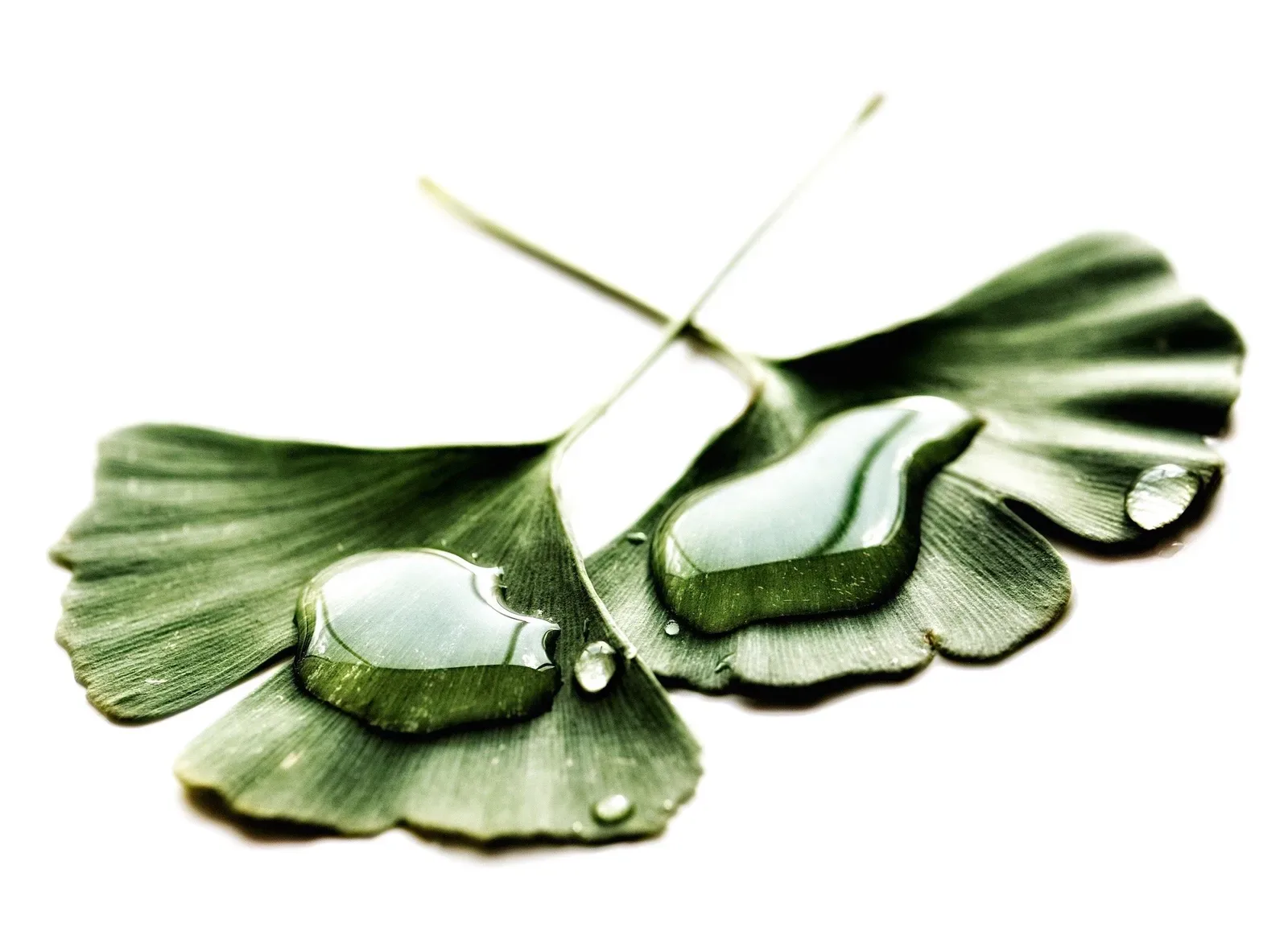
Brain resilience and protecting your brains is extremely important in having optimal cognitive function as you age. One of the oldest living species of tree, Ginkgo biloba's leaves and seeds have been used in botanical medicine for thousands of years. Touted as the "brain herb," Ginkgo has received extensive research attention for its antioxidant and anti-inflammatory properties and the role they likely play in supporting healthy cognitive function and treating dementia and Alzheimer's disease.Two components in Ginkgo help support brain health: Flavonoids, the source of the plant's antioxidant qualities, and Terpenoids, which help improve circulation by dilating blood vessels. Ginkgo may work by increasing blood flow, flushing out free radicals that can damage cells, and reducing inflammation. It may even protect nerve cells from further damage caused by Alzheimer's Disease or vascular dementia.Numerous studies show Ginkgo has a positive effect on memory, learning, and thinking in people with Alzheimer disease or vascular dementia. For some people, it may work as well as prescription medication for Alzheimer's, but Ginkgo hasn't been tested against all drugs used to treat the disease. Also, testing Ginkgo supplements with healthy young and older adults has not conclusively shown a significant change in cognitive function. It's likely the herb works differently in healthy people compared to people who have an impairment or illness.Another herb worth noting is Bacopa monnieri, an Ayurvedic botanical medicine used for centuries to enhance learning, memory and attention span. Scientists have been investigating Bacopa for potential therapeutic intervention for Alzheimer's and age-related memory loss. Research suggests it may have a protective effect on brain cells by supporting optimal nerve conduction or helping them resist damage that can occur from infection, toxins and the aging process.Botanical medicines can interact with other drugs and medical conditions. Consult your wellness practitioner to determine if either of these herbs are appropriate for you.
REFERENCES
- Murray, Michael T. "Alzheimer's Disease." Cited in Pizzorno, Joseph E. & Murray, Michael T. (eds.) Textbook of Natural Medicine (4th ed). (Churchill Livingstone. 2013.), 1196-1197.
- Amieva H., Meillon C., Helmer C, et al., "Ginkgo biloba extract and long-term cognitive decline: a 20-year follow-up population-based study." PLoS One. (2013) 8:1, 527-555. Accessed 8 April 2018.
- American Botanical Council Online. "Meta-analysis shows Ginkgo to be Effective for Mild Dementia." Accessed 8 April 2018.
- Johnson, R.L., S. Foster, Low Dog, T. and Kiefer, D. National Geographic Guide to Medicinal Herbs: The World's Most Effective Healing Plants. Washington, D.C.: National Geographic, 2012. pp 114-117.
- Mars, Bridgitte & Fiedler, Chrystle. Home Reference Guide to Holistic Health & Healing. (Beverly, MA: Fair Winds Press. 2015.), 82.
- Birks J. & Grimley, Evans J. "Ginkgo biloba for cognitive impairment and dementia." Cochrane Database Syst Rev. (2009) Jan 21;(1):CD003120. Review. Accessed 8 April 2018.
Medical Disclaimer
This content is provided by Indigo Integrative Health Clinic for educational purposes only. It does not constitute medical advice, a diagnosis, or a treatment recommendation, and does not establish a provider-patient relationship. Individual health conditions vary — information presented here may not apply to your specific situation. Always consult a qualified, licensed healthcare provider before making decisions about your health, medications, supplements, or treatment plan.






Continue reading

From Supplements to IV Therapy: Knowing When to Add the Next Layer
Discover when to transition from supplements to IV therapy. This guide explains how IV nutrient infusions can support absorption, energy, immune balance, and inflammation when oral strategies plateau.
Health & Well-Being

Why Women in Their 30s–50s Often Don’t Bounce Back: What that Means for Hormones, Metabolism & Sustainable Energy
You're doing everything right — and still not bouncing back. For women in their 30s, 40s, and early 50s, this isn't a motivation problem. It's a physiological one. Discover why sustained demand quietly reshapes hormone signaling, metabolism, and energy production — and what it actually takes to restore balance when conventional strategies stop working.
Health & Well-Being
Seasonal Allergies and Immune System Resilience
Allergy season doesn't have to derail your focus, energy, and momentum. For high-performing women, seasonal symptoms are rarely just about pollen — they're a window into how your immune system is functioning under pressure. Learn why suppressing the response isn't the answer, and what building real immune resilience actually looks like.
Health & Well-Being