A Healthy Flu Season
By Caroline Hoeffgen, COO, BCHC, JD | Reviewed by Dr. Rev. Isabel Sharkar, NMD | Published Nov 2019
Preparing Your Immune System for A Healthy Flu Season
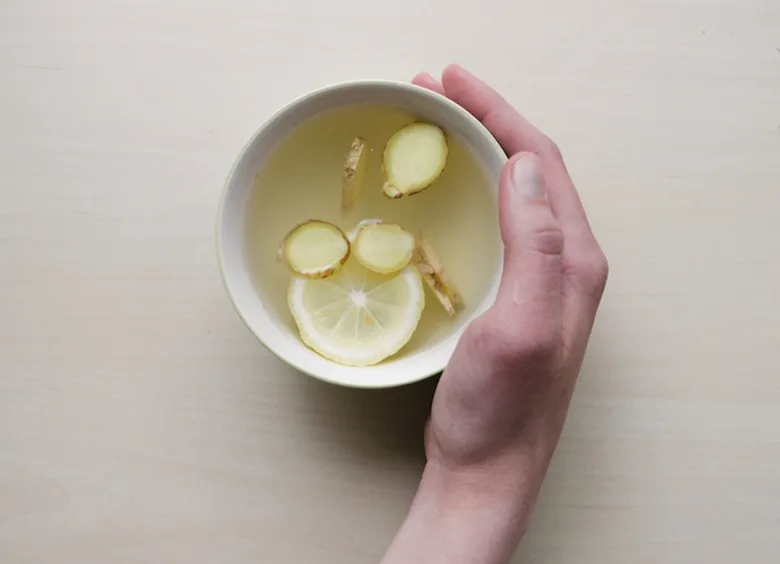
Flu season is among us once again. Giving your immune system a boost is the surest way to combat the cold and flu season. As Benjamin Franklin said, “An ounce of prevention is worth a pound of cure.” Don’t wait to act, start boosting your immune system today.Take non-corn based Vitamin C regularly to boost your immune system and check your Vitamin D3 levels. Zinc is highly beneficial in repairing cells while probiotics strengthen your gut, which comprises 70% of your immune system. The homeopathic, Influenzinum, is a great alternative to the flu vaccine and its preventative effect has been clinically evaluated. Also, have olive leaf extract, Oscillococcinum, BioVegetarian and Oregano oil on standby for the first onset of symptoms. Add immune boosting foods like garlic, onion, ginger and turmeric to your meals.To rid the body of toxins and combat getting sick, it is important to stay hydrated. If you find yourself drinking a lot of water and still feeling thirsty, chances are your body is not absorbing it. Sole water therapy is very beneficial and should be researched by all. Alcohol, processed food and refined sugar suppress the immune system and are best avoided. Did you know that 75 grams of sugar (about 2 cans of Coca-Cola) inhibits the ability of white blood cells to engulf bacteria for five hours? The effectiveness of toxic flu shots, some containing mercury and formaldehyde, is yet to be proven so exploring alternative ways to boost the immune system is highly useful.If you feel a cold or flu coming on, you must ACT straight away. Every moment you delay boosting your immune system, you are allowing the virus to replicate and cause havoc. Natural therapies work and you must be aggressive in using them. Consult with your naturopathic doctor for the best cold and flu prevention plan.
Medical Disclaimer
This content is provided by Indigo Integrative Health Clinic for educational purposes only. It does not constitute medical advice, a diagnosis, or a treatment recommendation, and does not establish a provider-patient relationship. Individual health conditions vary — information presented here may not apply to your specific situation. Always consult a qualified, licensed healthcare provider before making decisions about your health, medications, supplements, or treatment plan.






Continue reading
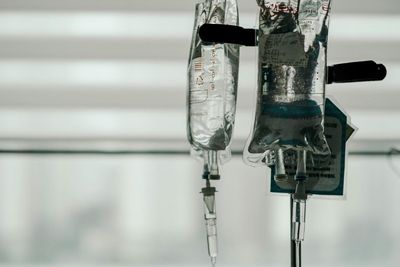
From Supplements to IV Therapy: Knowing When to Add the Next Layer
Discover when to transition from supplements to IV therapy. This guide explains how IV nutrient infusions can support absorption, energy, immune balance, and inflammation when oral strategies plateau.
Health & Well-Being
Why Women in Their 30s–50s Often Don’t Bounce Back: What that Means for Hormones, Metabolism & Sustainable Energy
You're doing everything right — and still not bouncing back. For women in their 30s, 40s, and early 50s, this isn't a motivation problem. It's a physiological one. Discover why sustained demand quietly reshapes hormone signaling, metabolism, and energy production — and what it actually takes to restore balance when conventional strategies stop working.
Health & Well-Being
Seasonal Allergies and Immune System Resilience
Allergy season doesn't have to derail your focus, energy, and momentum. For high-performing women, seasonal symptoms are rarely just about pollen — they're a window into how your immune system is functioning under pressure. Learn why suppressing the response isn't the answer, and what building real immune resilience actually looks like.
Health & Well-Being