
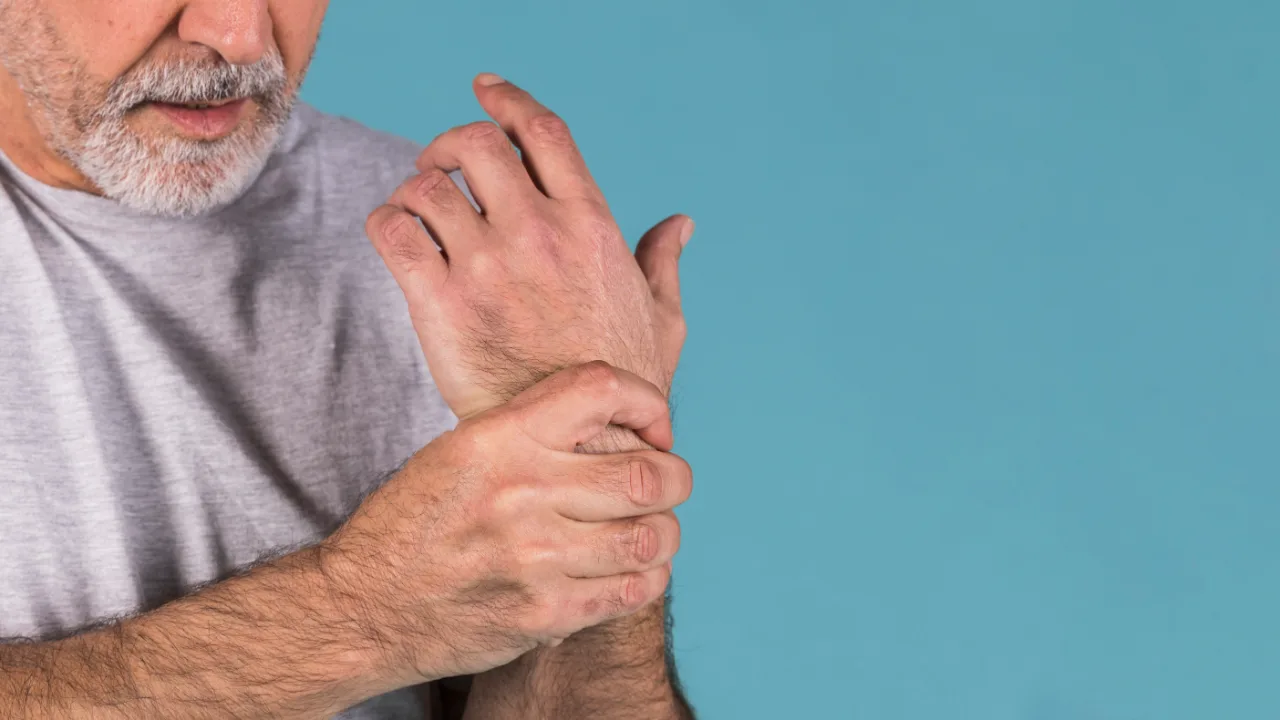
Managing Osteoarthritis
By Dr. Rev. Isabel Sharkar, NMD | Published Nov 2020
Natural Approaches to Managing Osteoarthritis (OA)
Oh, my aching joints!
There's good reason why we hear this so often. Osteoarthritis, known as OA, is the most common musculoskeletal disease in the world and a prevalent factor in work absences, temporary or permanent disability, hospital admissions, and use of pain-management drugs. While OA can develop in any joint, the knee is most typically affected.
CAUSES AND SYMPTOMS OF OA
OA develops in response to a chronic inflammatory response in which there is progressive deterioration of the cartilage and narrowing of the joint space. The mechanical function of the entire joint, including adjacent bone and soft tissue (ligaments, muscles, and tendons), can become impaired.
FACTORS THAT CAUSE OA INCLUDE:
- Joint injury
- Overuse related to sport, physical activity, or job conditions
- Obesity
- Age (over age 50)
- Smoking
- Lack of exercise or excessive exercise
- Diabetes
- Hormonal changes related to menopause
Symptoms of OA include pain, stiffness, and swelling in the joint. There may also be stiffness or cramping in the adjacent muscles.
TREATING OA
The main objective of treatment is symptom management - reducing pain and underlying inflammation - and preventing further deterioration of the joint. It has been commonly thought that OA is irreversible; however, advances in orthopedic treatments, regenerative medicine, nutritional science, physical therapy and related fields indicate that people can improve joint function and experience a reduction in pain.
TREATMENTS VARY BY INDIVIDUAL AND OFTEN A COMBINATION OF TREATMENTS ARE USED. BELOW ARE A FEW:
Contrast Therapy. Alternating hot and cold-pack treatment or alternating soaking in warm and cool-water baths can reduce stiffness, inflammation, and pain level. Soaking can also be done in mineral-infused water (aka, balneotherapy). Another form of contrast therapy involves applying a warm compress to the joint for five minutes and then covering it with a thin, cold towel for ten minutes.Aquatic Therapy. Exercising in the water, including swimming and water aerobics, enhancing pain management, mobility, and increased sense of well-being. Extra points for a chlorine-free salt water pool.Muscle Strengthening. Strengthening the muscles and connective tissue around the affected joint helps improve strength and range of motion, reduces pain and swelling, and can prevent further breakdown of the cartilage. An exercise program may include yoga, Tai chi, or strength training and should be designed by a physician or physical therapist who is knowledgeable about OA and your personal lifestyle goals.Lifestyle Support. If you smoke, focus on reducing and ultimately quitting to help reduce the inflammatory load in your body. Eat a healthy diet consisting of whole grains, healthy fats, lean meat, poultry and fish, and plenty of fresh fruits and veggies. Cut down on sugar as it contributes to inflammation.Nutritional Supplements. Glucosamine, a compound found in certain marine animals (there is also a vegan form), is one of the most frequently used supplements worldwide due to its chondro-protective properties (ability to delay joint deterioration and narrowing). Always check with a holistic physician before taking nutritional supplements. One of our favorite and top recommended products for joint repair and decreasing inflammation can be found on the Indigo Designs for Health e-store here.Conventional Medicine for OA. Orthopedic interventions can include the use of anti-inflammatory, muscle relaxant, and pain medicine, some of which may cause unwanted side effects (drowsiness, upset stomach). Joint lubrication injections of cortisone are common. Knee and hip joint replacement surgery can be life-changing for people who have tried other approaches, including holistic, and are still suffering.Prolozone Injections and Stem Cells. Using oxygen therapy to build and regenerate joint tissue is a possibility and widely accepted in the alternative health community. Stem cells also help to regenerate and stimulate tissue repair. Find someone who specializes in such services.It's important to work with your holistic practitioner to determine the best approach for you.
REFERENCES:
- Salazar, J., Bello, L, Chavez, M. et al., "Glucosamine for Osteoarthritis: Biological Effects, Clinical Efficacy, and Safety on Glucose Metabolism." Hindawi Open Access (2014) Article ID 432463. Accessed 5 Aug 2020.
- Gálvez I, Torres-Piles S, Ortega-Rincón E. "Balneotherapy, Immune System, and Stress Response: A Hormetic Strategy?" Int J Mol Sci. (2018) 19(6):1687. Published 2018 Jun 6. doi:10.3390/ijms19061687 Accessed 6 Aug 2020.
- Verhagen AP, Bierma-Zeinstra SM, Boers M, et al. "Balneotherapy for osteoarthritis." Cochrane Database Syst Rev. 2007;(4):CD006864. Published 2007 Oct 17. doi:10.1002/14651858.CD006864 Accessed 5 Aug 2020.
- Dias, João Marcos et al. "Hydrotherapy improves pain and function in older women with knee osteoarthritis: a randomized controlled trial." Brazilian journal of physical therapy vol. 21,6 (2017): 449-456. doi:10.1016/j.bjpt.2017.06.012 Accessed 5 Aug 2020.
- Brøgger H, Risberg MA. "Efficacy of strength and aerobic exercise on patient-reported outcomes and structural changes in patients with knee osteoarthritis: study protocol for a randomized controlled trial." BMC Musculoskelet Disord. (2013) 14:266. Published 2013 Sep 12. doi:10.1186/1471-2474-14-266 Accessed 5 Aug.
Medical Disclaimer
This content is provided by Indigo Integrative Health Clinic for educational purposes only. It does not constitute medical advice, a diagnosis, or a treatment recommendation, and does not establish a provider-patient relationship. Individual health conditions vary — information presented here may not apply to your specific situation. Always consult a qualified, licensed healthcare provider before making decisions about your health, medications, supplements, or treatment plan.






Continue reading
From Supplements to IV Therapy: Knowing When to Add the Next Layer
Discover when to transition from supplements to IV therapy. This guide explains how IV nutrient infusions can support absorption, energy, immune balance, and inflammation when oral strategies plateau.
Health & Well-Being
Why Women in Their 30s–50s Often Don’t Bounce Back: What that Means for Hormones, Metabolism & Sustainable Energy
You're doing everything right — and still not bouncing back. For women in their 30s, 40s, and early 50s, this isn't a motivation problem. It's a physiological one. Discover why sustained demand quietly reshapes hormone signaling, metabolism, and energy production — and what it actually takes to restore balance when conventional strategies stop working.
Health & Well-Being
Seasonal Allergies and Immune System Resilience
Allergy season doesn't have to derail your focus, energy, and momentum. For high-performing women, seasonal symptoms are rarely just about pollen — they're a window into how your immune system is functioning under pressure. Learn why suppressing the response isn't the answer, and what building real immune resilience actually looks like.
Health & Well-Being