

Who Desires Radiant Skin?
By Caroline Hoeffgen, COO, BCHC, JD | Reviewed by Dr. Rev. Isabel Sharkar, NMD | Published Aug 2023
The older we get the more we desire radiant skin. As we age our skin endures a lot damage- from tanning, smoking, environmental pollution and poor diet, all these things can contribute to cellular damage. These oxidative stressors take a toll on our skin causing it to get dryer, thinner, and more wrinkly, with an uneven complexion and dark spots. Unless you halt the aging process, your skin may only get worse. The older we get the slower our skin renews itself.During menopause hormone levels decline dramatically, decreasing the collagen and elastin production in our skin. Many women experience dark spots and a general unevenness of their skin complexion.Although there are many over the counter remedies available to "turn back the hands of time," do these so called anti-aging concoctions actually work? It's important to take a beauty from the inside-out approach when it comes to true anti-aging.
Radiant Skin Glutathione Therapy
Glutathione is a powerful antioxidant that removes toxins, maintains cellular health and lightens the skin. It eradicates free radicals and brightens your skin, leaving it glowing. Glutathione inhibits the production of melanin and replaces damaged cells. When combined with Vitamin C you get the best combination for radiant skin.It's equally important to avoid factors that increase antioxidant levels in the skin like smoking, poor diet, and misuse of alcohol, stress, bad sleep patterns and environmental toxins.
Here are a few benefits of a Radiant Skin-lightening IV Infusion:
- Improved radiance; skin is glowing, supple and moisturized
- Lighter skin
- Removal of blemishes, acne, scars, pigmentation and uneven skin tones
- Increased collagen production and enhanced elasticity
- Improved skin quality and texture
- Reduced fine lines and wrinkles
- Enhanced immunity, reduced fatigue
- Enhanced detoxification of the body
How is the treatment administered?
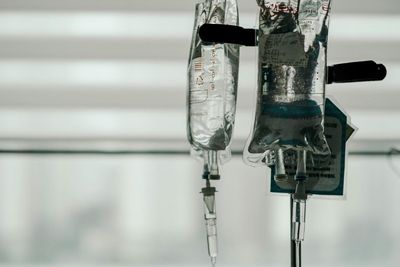
Glutathione is more readily absorbed when administered intravenously. The IV therapy ensures effective delivery of the nutrient directly through the bloodstream into the cells for maximum absorption.Ongoing maintenance is recommended to keep your new, lighter skin tone. The frequency will depend on your ability to maintain anti-oxidant levels. In general, once a month after your course of treatment is required to sustain results.
Don't forget, the following factors will interfere with your results as they will increase oxidative stress:
More information on our Radiant Skin IV Therapy program can be found here.
Medical Disclaimer
This content is provided by Indigo Integrative Health Clinic for educational purposes only. It does not constitute medical advice, a diagnosis, or a treatment recommendation, and does not establish a provider-patient relationship. Individual health conditions vary — information presented here may not apply to your specific situation. Always consult a qualified, licensed healthcare provider before making decisions about your health, medications, supplements, or treatment plan.






Continue reading
From Supplements to IV Therapy: Knowing When to Add the Next Layer
Discover when to transition from supplements to IV therapy. This guide explains how IV nutrient infusions can support absorption, energy, immune balance, and inflammation when oral strategies plateau.
Health & Well-Being

Why Women in Their 30s–50s Often Don’t Bounce Back: What that Means for Hormones, Metabolism & Sustainable Energy
You're doing everything right — and still not bouncing back. For women in their 30s, 40s, and early 50s, this isn't a motivation problem. It's a physiological one. Discover why sustained demand quietly reshapes hormone signaling, metabolism, and energy production — and what it actually takes to restore balance when conventional strategies stop working.
Health & Well-Being

Seasonal Allergies and Immune System Resilience
Allergy season doesn't have to derail your focus, energy, and momentum. For high-performing women, seasonal symptoms are rarely just about pollen — they're a window into how your immune system is functioning under pressure. Learn why suppressing the response isn't the answer, and what building real immune resilience actually looks like.
Health & Well-Being