
Seasonal Allergies
By Caroline Hoeffgen, COO, BCHC, JD | Reviewed by Dr. Rev. Isabel Sharkar, NMD | Published Dec 2019
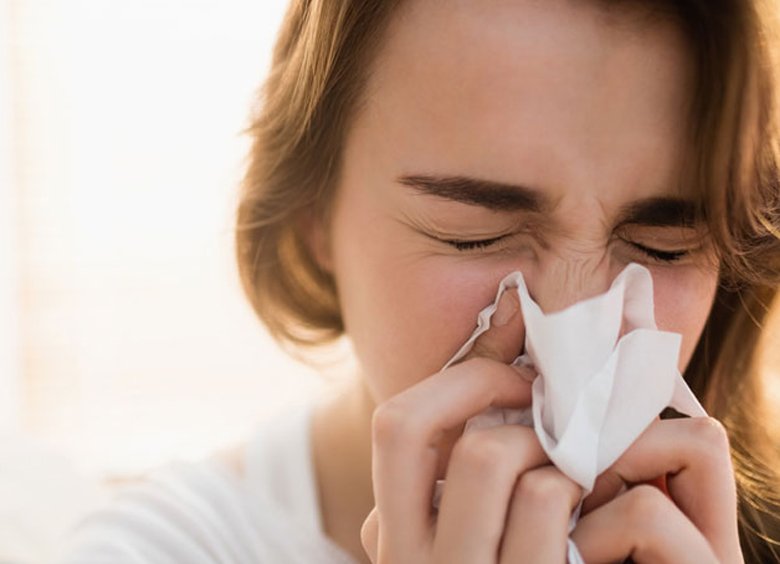
Along with the natural beauty of spring comes the pollen, mold, and spore counts that can make life miserable if you suffer from seasonal allergies. Spring is especially difficult because our bodies have to become adjusted to the winter season when nothing is in bloom. As the weather warms, plants and trees of all kinds begin blooming and pollinating. It is these airborne particles that can cause runny nose, itchy watery eyes, sneezing, headaches, swelling in the sinuses, and swollen glands.In fact, seasonal allergies can often feel like having a long lasting cold. One of the causes of seasonal allergies is the way the immune system responds to airborne pathogens. The body can tag these particles, making the body think they are harmful. This encourages the body to mount an immune response. Your body will begin to release histamine, the chemical responsible for many allergy symptoms, along with other chemicals. Some cells that produce histamine may become unstable and over-reactive, releasing large amounts of histamine into the body. That is why many over-the-counter allergy medicines contain histamine blockers. Unfortunately, anti-histamine drugs have several unpleasant side effects such as daytime drowsiness and dry mouth.Here are several ways to decrease seasonal allergy symptoms naturally:1. Limit exposure. Sometimes it is a good idea to give the body a rest from the constant barrage of airborne allergens. This can help an over-reactive system to calm down and re-set itself. To do this, make sure to limit your outdoor exposure on windy days or days where the pollen and spore count is high. Delegate lawn duties and make sure not to dry your clothes outside. If you do have to be outside, take a quick shower to wash off particles from your skin and hair when you return home. A high-quality air filter can significantly reduce the allergens in your environment.2. Support the Body. There are several things you can do to support the body through allergy season. To help inhibit histamine naturally, try sipping herbal tea made from stinging nettles or adding quercetin rich foods, such as onions, olive oil, apples, citrus, and blueberries. If you are unable to introduce these kinds of foods, you can ask your doctor if quercetin supplementation is right for you. If so, look for a product that combines stinging nettles with quercetin. The synergy between the two is more effective. Explore essential oils, stay hydrated, drink green juice and increase Vitamin C supplementation. To give your immune system a quick boost, visit our Indigo IV Lounge page and learn how IV Vitamin Therapy can benefit you.3. Get Enough Sleep. Seasonal allergies can take their toll on our body, making us feel worn down and fatigued. Anytime our body is struggling in this way it is especially important to get enough high-quality sleep to help the body recover. Make sure you are going to bed early enough to feel rested in the morning when you wake up.4. Alternative Therapies. Using therapies such as homeopathy, acupuncture, and hydrotherapy are great ways to help stimulate the body to health by balancing the system. Consult with your Naturopathic Doctor about which options are best for you.
Medical Disclaimer
This content is provided by Indigo Integrative Health Clinic for educational purposes only. It does not constitute medical advice, a diagnosis, or a treatment recommendation, and does not establish a provider-patient relationship. Individual health conditions vary — information presented here may not apply to your specific situation. Always consult a qualified, licensed healthcare provider before making decisions about your health, medications, supplements, or treatment plan.






Continue reading

From Supplements to IV Therapy: Knowing When to Add the Next Layer
Discover when to transition from supplements to IV therapy. This guide explains how IV nutrient infusions can support absorption, energy, immune balance, and inflammation when oral strategies plateau.
Health & Well-Being

Why Women in Their 30s–50s Often Don’t Bounce Back: What that Means for Hormones, Metabolism & Sustainable Energy
You're doing everything right — and still not bouncing back. For women in their 30s, 40s, and early 50s, this isn't a motivation problem. It's a physiological one. Discover why sustained demand quietly reshapes hormone signaling, metabolism, and energy production — and what it actually takes to restore balance when conventional strategies stop working.
Health & Well-Being
Seasonal Allergies and Immune System Resilience
Allergy season doesn't have to derail your focus, energy, and momentum. For high-performing women, seasonal symptoms are rarely just about pollen — they're a window into how your immune system is functioning under pressure. Learn why suppressing the response isn't the answer, and what building real immune resilience actually looks like.
Health & Well-Being