Toxic Mold Syndrome
By Dr. Rev. Isabel Sharkar, NMD
Toxic Mold Syndrome, Is Your Health at Risk?
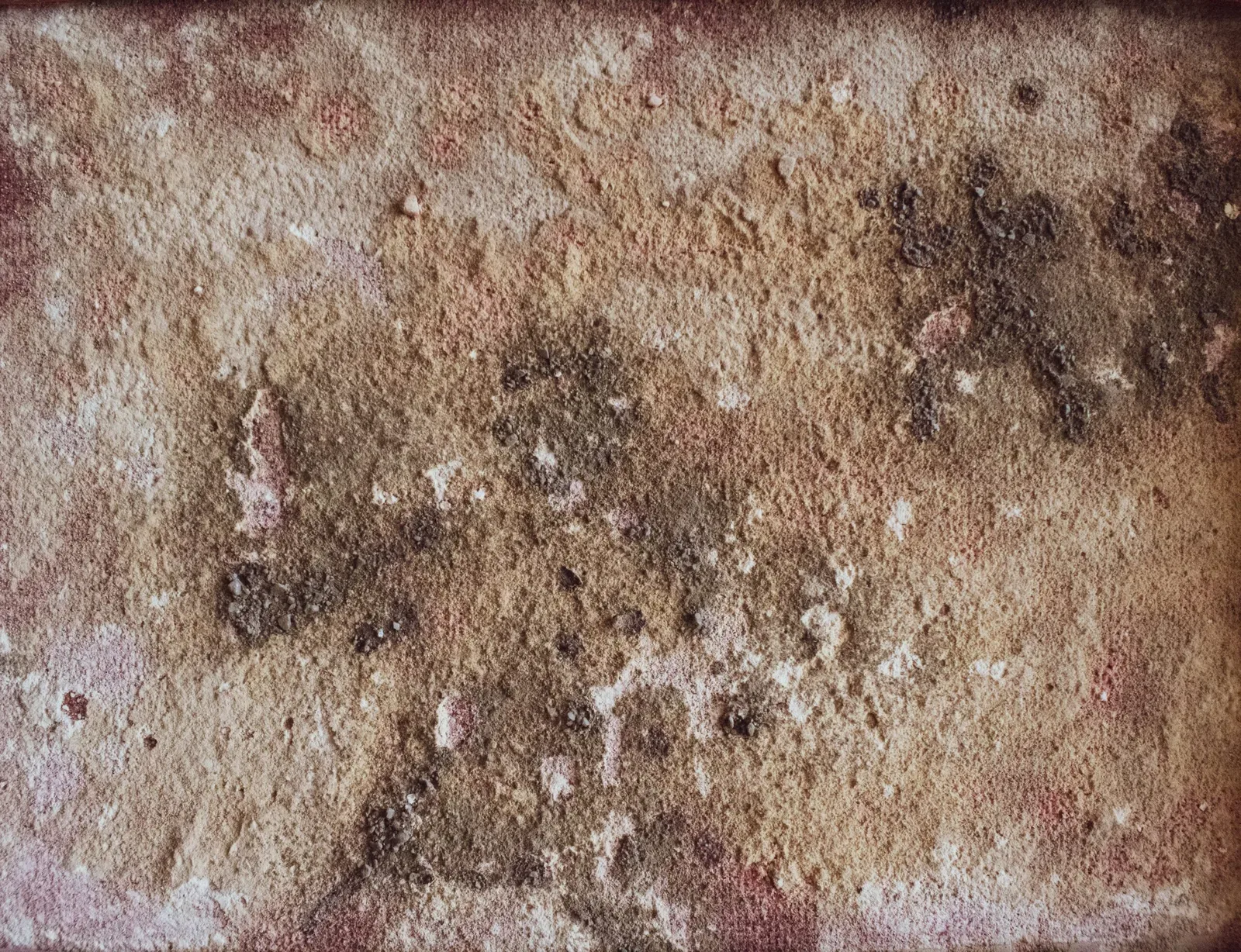
Have you seen a news headline like this one: "Is Black Mold in the Building Where You Work Making You Sick?" Perhaps you skimmed past that article because it didn't sound relevant to you. You may be surprised to learn that mold can make you sick and cause toxic mold syndrome.In fact, toxic mold syndrome (TMS) is more common than you may think. It's a source of illness that is often under-diagnosed or misdiagnosed. Medically speaking, TMS is an inflammatory illness caused by exposure to indoor molds, their harmful by-products, and other microbial toxins that form in water-damaged buildings. Symptoms of TMS can be exclusively physical or mental and emotional.Statistics vary by geographic location, but it is estimated that 45% of U.S. homes are affected by persistent dampness and mold. Office buildings, schools, factories and other workplaces and public buildings that have been water-damaged are significant sources of toxigenic mold. And, don't just look for black mold- toxic mold can be a variety of colors.
Who is Vulnerable to Mold Illness?
The 'smoking gun' associated with toxigenic mold are substances called mycotoxins.For a person to become ill, (that is, have high levels of mold toxins in the body) the exposure to mycotoxins has to be significant. Because each person is genetically unique, it can't be definitively stated how much exposure will make a given person ill or with which symptoms.People most vulnerable to TMS are believed to have a genetic predisposition that inhibits their body's ability to clear toxins. Members of the same family all living in the same house with mold growth rarely all become ill. The person with the genetic vulnerability will show symptoms of illness. Also, the effect of cumulative exposure to mold and exposure to other toxins also can make one vulnerable to developing TMS.
Symptoms of Toxic Mold Syndrome
Before we talk about symptoms of TMS, it's important to mention that mold allergies and TMS are not the same thing. Mold allergies are a reaction to mold spores that are inhaled and cause hay fever like symptoms. TMS is due to the volatile toxic vapors produced by mold and absorbed by the body. Even though your body has in place several systems of detoxification (liver, sweat glands, elimination of urine and feces), chronic exposure to mycotoxins can overwhelm these pathways, increasing the toxic burden on your body. This causes a chronic inflammatory response (CIRS) that throws additional body systems out of whack.
The symptoms of TMS can include:
- Abdominal pain
- Appetite changes
- Body aches
- Blurred Vision
- Cough
- Confusion/Disorientation
- Excessive thirst
- Fatigue
- Diarrhea
- Headache
- Joint Pain
- Light Sensitivity
- Night Sweats
- Memory & recall problems
- Metallic taste
- Multiple Chemical Sensitivity
- Muscle Cramps
- Numbness
- Red Eyes
- Static Shocks
- Sinus Problems
- Shortness of Breath
- Tremors
- Urination frequency changes
- Vertigo
- Weakness
Types of illnesses that may have toxic mold as the root cause include:
- Anxiety
- Attentional Disorders
- Brain Fog
- Chronic fatigue
- Depression
- Fibromyalgia
- Mast cell activation disorder
- Histamine intolerance
- Insomnia
- Irritable bowel syndrome and leaky gut
- Multiple Sclerosis
- Lyme Syndrome
Treatment of TMS may begin with testing for mold in the home and then possibly the workplace. This information, along with ruling out other medical possibilities by a holistic health practitioner, can indicate if TMS is the root cause of the symptoms.Holistic treatment approaches for TMS are highly personalized to the needs of the person. Mycotoxins are lipophilic, which means they readily accumulate in fatty tissue. They are not easily removed unless measures are taken to trigger their release out of the tissue. In general, treatment will include nutrition therapy, a detoxification program using herbs and other nutritional supplements, sauna sessions, and manual therapy such as lymphatic massage.
If you have been feeling unwell and have not determined the root cause of your symptoms, particularly if you live or work in a high-mold area, give us a call at (202) 298-9131 and talk to us about mold testing and treatments that may be right for you.
REFERENCES
- PsychologyToday.com. "Mold Toxicity: Common Cause for Psychiatric Symptoms." Written by Neil Nathan, MD. Accessed 15 Feb 2021.
- Christensen, L., "Food for Mold Illness, What to Eat and What to Avoid." Accessed 15 Feb 2021.
- Barbeau, Deborah N., L. Faye Grimsley, et al., "Mold Exposure and Health Effects Following Hurricanes Katrina and Rita." Annual Review of Public Health (2010) 31:1, 165-178.
- Chow NA, Toda M, Pennington AF, et al. "Hurricane-Associated Mold Exposures Among Patients at Risk for Invasive Mold Infections After Hurricane Harvey - Houston, Texas, 2017." MMWR Morb Mortal Wkly Rep (2019) 68:469–473. DOI.
Medical Disclaimer
This content is provided by Indigo Integrative Health Clinic for educational purposes only. It does not constitute medical advice, a diagnosis, or a treatment recommendation, and does not establish a provider-patient relationship. Individual health conditions vary — information presented here may not apply to your specific situation. Always consult a qualified, licensed healthcare provider before making decisions about your health, medications, supplements, or treatment plan.






Continue reading

From Supplements to IV Therapy: Knowing When to Add the Next Layer
Discover when to transition from supplements to IV therapy. This guide explains how IV nutrient infusions can support absorption, energy, immune balance, and inflammation when oral strategies plateau.
Health & Well-Being

Why Women in Their 30s–50s Often Don’t Bounce Back: What that Means for Hormones, Metabolism & Sustainable Energy
You're doing everything right — and still not bouncing back. For women in their 30s, 40s, and early 50s, this isn't a motivation problem. It's a physiological one. Discover why sustained demand quietly reshapes hormone signaling, metabolism, and energy production — and what it actually takes to restore balance when conventional strategies stop working.
Health & Well-Being

Seasonal Allergies and Immune System Resilience
Allergy season doesn't have to derail your focus, energy, and momentum. For high-performing women, seasonal symptoms are rarely just about pollen — they're a window into how your immune system is functioning under pressure. Learn why suppressing the response isn't the answer, and what building real immune resilience actually looks like.
Health & Well-Being