Digital Detox
By Caroline Hoeffgen, COO, BCHC, JD | Reviewed by Dr. Rev. Isabel Sharkar, NMD | Published Nov 2019
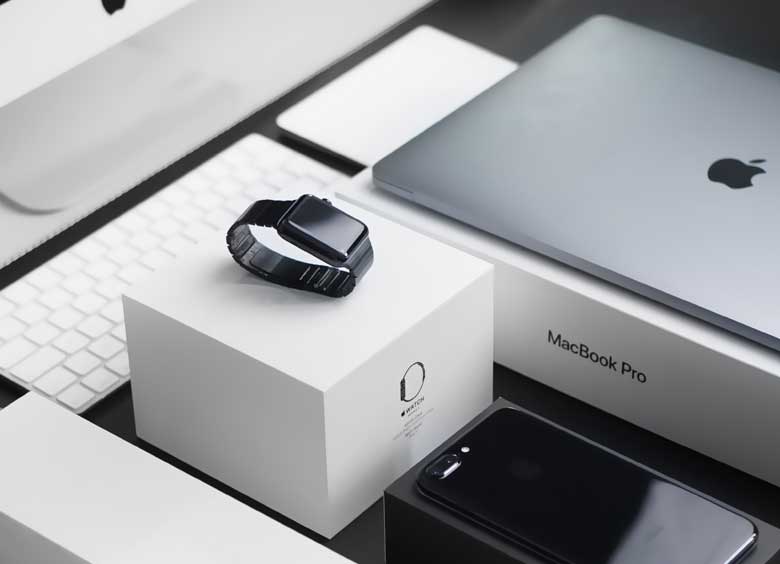
When is the last time you left your electronics behind and took a digital detox? If you, like so many of us, wake up in the morning and check your social media like Facbook, Twitter, Instagram or E-mails, then you too have been bombarded by our western technology culture. Who does this really serve? Clearly neither your body, soul nor higher purpose. Sometimes you just have to shut if all off.
BENEFITS OF A DIGITAL DETOX
- You can drop in with yourself, your thoughts, and deepen the connection your have with yourself and others. Being constantly bombarded by advertisements and other people’s thoughts and ideas are distractions to us. What about our own ideas and thoughts?
- Catching up on all the things you love to do like walking, biking or other types of fitness, reading a book, meditating, preparing a nice meal, deep breathing, painting, dancing, and more!
- Breaks the habit of being too available by taking a time out for yourself.
- To notice the addictions you have formed with technology and be more mindful about how technology is impacting your life.
- Relaxes your brain from over stimulation.
- Relaxes your body from being on the go and doing too much. Also your tense shoulders and neck will thank you for it!
- Formulate new ideas that wouldn’t come to you when on your tech.
- Being in the moment, the moment of now.
- Plugging out of the rat race, bigger is better and the need for more mentality.
Medical Disclaimer
This content is provided by Indigo Integrative Health Clinic for educational purposes only. It does not constitute medical advice, a diagnosis, or a treatment recommendation, and does not establish a provider-patient relationship. Individual health conditions vary — information presented here may not apply to your specific situation. Always consult a qualified, licensed healthcare provider before making decisions about your health, medications, supplements, or treatment plan.





Continue reading
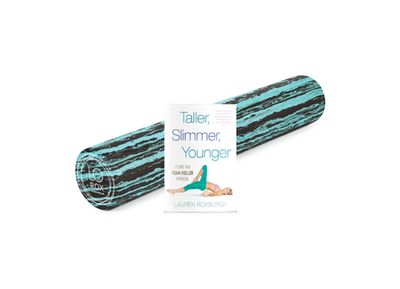
Taller, Slimmer, Younger
Lifestyle
Stress & Your Body
Lifestyle

Planning for Your Best Health in 2021
Lifestyle