
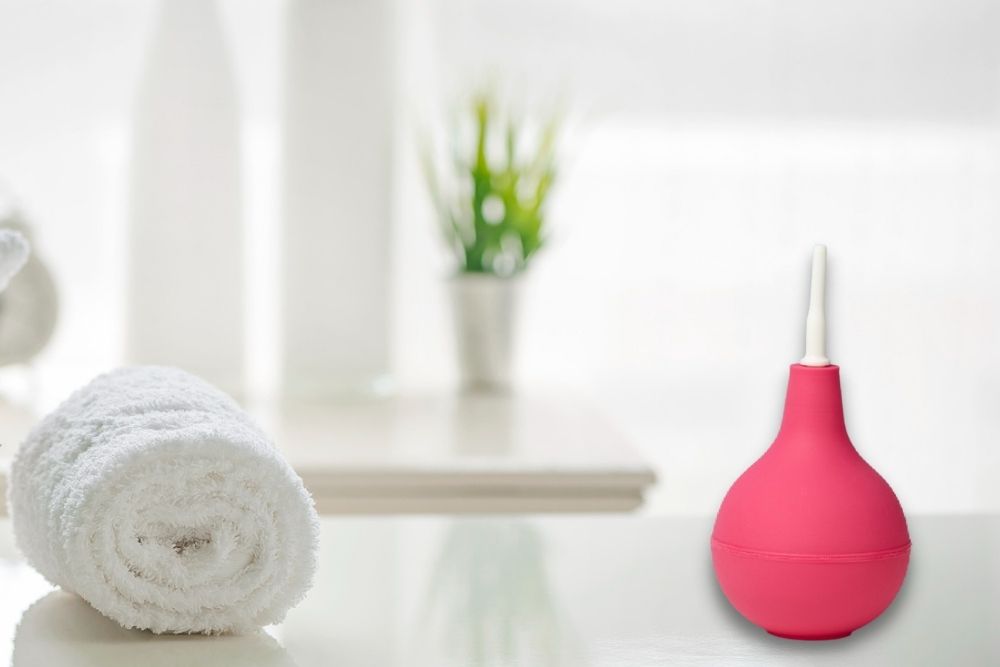
Benefits Of An Enema
By Dr. Rev. Isabel Sharkar, NMD | Published Dec 2022
Can an Enema be of Benefit to You?
Since ancient times, there have been various methods described to cleanse the internal organs of digestion and elimination. Yes, even our ancestors understood that a well-maintained and properly functioning gastrointestinal system is essential to good health and well-being. An enema is a simple and gentle procedure used in holistic medicine to address GI problems (such as constipation) and to support the body's innate detoxification processes.
What Does An Enema Do?
An enema is an injection of liquid via the anus, intended to relieve constipation, gas and bloating, cleanse the colon, and reduce the body's toxic load. There are a variety of liquid solutions that can be used to perform an enema. Some common enemas ingredients are:
- Aloe Vera: to soothe and heal the GI tract
- Burdock root: to improve kidney and bladder function and remove calcium build-up
- Coffee extract: to detoxify the liver, intestines, and promote movement of bile
- Epsom salt: to increase water in the intestines and facilitate movement of the bowels
- Lemon juice: to detoxify and flush out excess feces; to balance pH level in the colon
The various liquid solutions used for an enema offer different benefits and depending on your personal health concerns, one method may be more appropriate than another. It is advisable to discuss doing an enema with your holistic practitioner so the appropriate method can be chosen for you.
Tips For A Successful Enema
An enema is not painful or difficult to do on your own. As mentioned, it is ideal to do an enema under medical supervision. If you are using a prepared formula from any other source, make sure to read the ingredients. If anything is unfamiliar to you, don't use it. Be sure you follow the instructions provided.
- Rest the day of and the day after the enema
- Drink plenty of hydrating fluids such as decaffeinated teas, herbal drinks, and fruit infused water
- Maintain a diet of light, small, nourishing meals such as soft, steamed foods, juiced fruits and vegetables
- Slowly return to a healthful diet by introducing small meals with whole foods; continue to maintain hydration and avoid caffeinated/sugary beverages for a few days
- Return to your normal routine within about 24-48 hours
It is possible for an enema to "go wrong." If not carried out properly, if done too frequently, or if inappropriate substances are used, the enema can cause bloating, constipation, cramping, nausea and diarrhea. This can lead to an imbalance in gut flora, irritation or injury to the intestinal wall, and even bleeding from the rectum. Enemas should not be done more than once every three months unless medically supervised or prescribed by a holistic medical provider to treat a specific condition.There are fasting retreat centers and holistic practitioners that specialize in enemas as part of a detox or "total body cleanse." Attending a reputable center for a guided experience is a great place to start.
REFERENCES
- Medicine Talk Professional physician correspondence and resources.
- Medical News Today. "What Does an Enema Do?" Written February, 7, 2017.
Medical Disclaimer
This content is provided by Indigo Integrative Health Clinic for educational purposes only. It does not constitute medical advice, a diagnosis, or a treatment recommendation, and does not establish a provider-patient relationship. Individual health conditions vary — information presented here may not apply to your specific situation. Always consult a qualified, licensed healthcare provider before making decisions about your health, medications, supplements, or treatment plan.






Continue reading

Taller, Slimmer, Younger
Lifestyle

Stress & Your Body
Lifestyle

Planning for Your Best Health in 2021
Lifestyle