
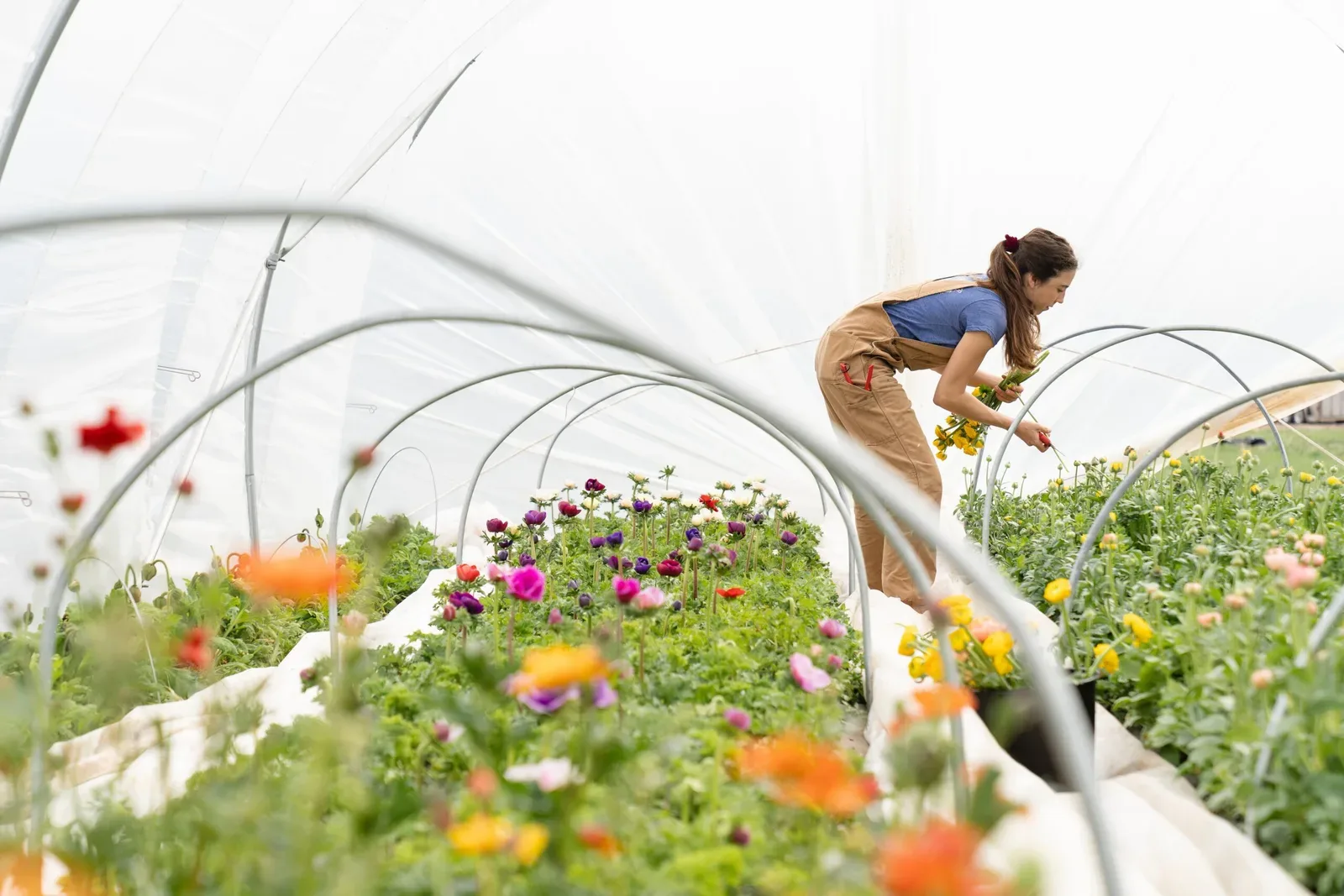
Growing Organic Protects Your Health
By Dr. Rev. Isabel Sharkar, NMD | Published Jan 2021
Growing Organic Saves Money, Reduces Toxins, & Protects Your Health
Growing organic is the future. Are you one of the many people who say organic food costs too much and that's why you don't buy it? Consider this: the way food is grown, processed, and distributed affects both variety and quality (color, taste, nutrient density). In turn, the quality of the food affects our health. Conventional farms use antibiotics, subsidized genetically modified grains, and toxic pesticides, all of which degrade the quality of the soil and, ultimately, our food. This cycle contributes to antibiotic resistance, affects climate change, and spurs reliance on fossil fuels.When thinking about the cost of organic, think again. Weigh it against the cost of doctor visits, medicines, leaky gut, autoimmune conditions, time lost from work and school, as well as global economic and climate impact. You'll discover that the ounce of prevention in growing organic foods is actually inexpensive by comparison.When purchasing organic, choose in-season foods from local farms and farmer's markets to support your local economy. (Look for Community Supported Agriculture - CSA, or farm shares). Think about growing organic food on your own, which saves money, reduces the environmental cost of factory farming, and gives the whole family an "agri-education." If growing in your own back yard or containers is not feasible, consider joining (or starting) a community or rooftop gardens (popular in urban areas).
HERE ARE THE KEYS TO SUCCESSFULLY GROWING ORGANIC:
ORGANIC SOIL. What is the difference between how an organic and a conventional gardener treat their plants? The conventional gardener feeds and treats the plant while the organic gardener nourishes the soil, which requires air and water to thrive. A local university agriculture department can test soil for a nominal fee and this will tell you if you are starting with nutrient strong or weak soil. From there, they will guide you on how to build up your soil before you drop in any plants. When buying soil, read the label and look for a large percentage of organic matter (manure, leaves, straw, grass clippings).COMPOST. Avoid using synthetic fertilizers (quick-release high nitrogen fertilizers actually damage plant roots). Composting is the ideal way to fertilize naturally with nutrient-dense matter; it reduces waste sent to landfills by recycling unused food and yard matter that would have been put in the trash. To lock in soil nutrients, use mulch from natural sources once your plants are in the ground.ALTERNATIVE, FOOD SAFE PEST CONTROL. The best defense against garden pests is prevention. If you plant appropriately for your climate zone and water early in the day (not at night), you will reduce the pest and disease burden on your garden. When growing organic, neem and certain essential oils (thyme, rosemary, basil, tea tree oil) can be used to create a botanical spray that is toxic to plant predatory insects. Use netting or chicken wire to keep out larger pests.RIGHT PLANT, RIGHT TIME, RIGHT PLACEMENT. When growing organic learn about the climate zones, micro-climates, and seasonal variations for planting in your geographic area. An organic farm or seed shop can advise you on native plants that grow successfully in your region. The National Gardening Association has great resources. Always read the plant or seed packaging to understand the shade, sun and watering requirements for the crop. Plants with similar needs should be grouped together with adequate spacing between them for growth and to prevent leaf or root disease.MONEY SAVING ORGANIC PLANTS. The following plants are easy to grow and fun to pick. Many come in hardy, disease-resistant varieties. Growing these plants will reduce your grocery bill, too!
- Basil
- Bell peppers
- Black magic eggplant
- Cherry sweet pepper
- Cilantro
- Cucumbers
- Dill
- Green beans
- Italian sweet pepper
- Parsley
- Rosemary
- Snap beans
- Squash
- Strawberries, Raspberries, Blackberries
- Thyme
- Tomatoes: Jet Star, Jackpot, Supersteak, Cherry, Cherry Presto
- Yellow wax beans
- Zucchini elite
The Ecology Center and Planet Natural offer gardening schematics and companion planting tips.Also check out the National Gardening Association resources or HGTV's Best Gardening Apps.
REFERENCES
- The Diet-Climate Connection: How the Foods We Eat Affect the Planet We Inhabit. HumanKind.org Programs.
- Neff, Roni. "Food Matters: How What We Eat Affects Our Health and the Health of the Planet." Imagine. (Jan/Feb 2009), 18-21.
- Healthy Eating, Healthy Planet. ReadWorks.org (2013). (great to use with children)
- Eat Green: Our Everyday Food Choices Affect Global Warming and the Environment. National Defense Resource Council.
- Rockefeller Foundation. Planetary Health: Improving Human Health by Healing the Planet. Planetary Health Summit Report. (2014). Accessed on 12 Feb 2020.
- "Composting at Home." Accessed 12 Feb 2020.
- Alternative Insecticides for Yard and Garden.
Medical Disclaimer
This content is provided by Indigo Integrative Health Clinic for educational purposes only. It does not constitute medical advice, a diagnosis, or a treatment recommendation, and does not establish a provider-patient relationship. Individual health conditions vary — information presented here may not apply to your specific situation. Always consult a qualified, licensed healthcare provider before making decisions about your health, medications, supplements, or treatment plan.






Continue reading

Taller, Slimmer, Younger
Lifestyle

Stress & Your Body
Lifestyle

Planning for Your Best Health in 2021
Lifestyle