Reading Is Healthy
By Dr. Rev. Isabel Sharkar, NMD | Published Jan 2021
Reading Is Good for Your Health!
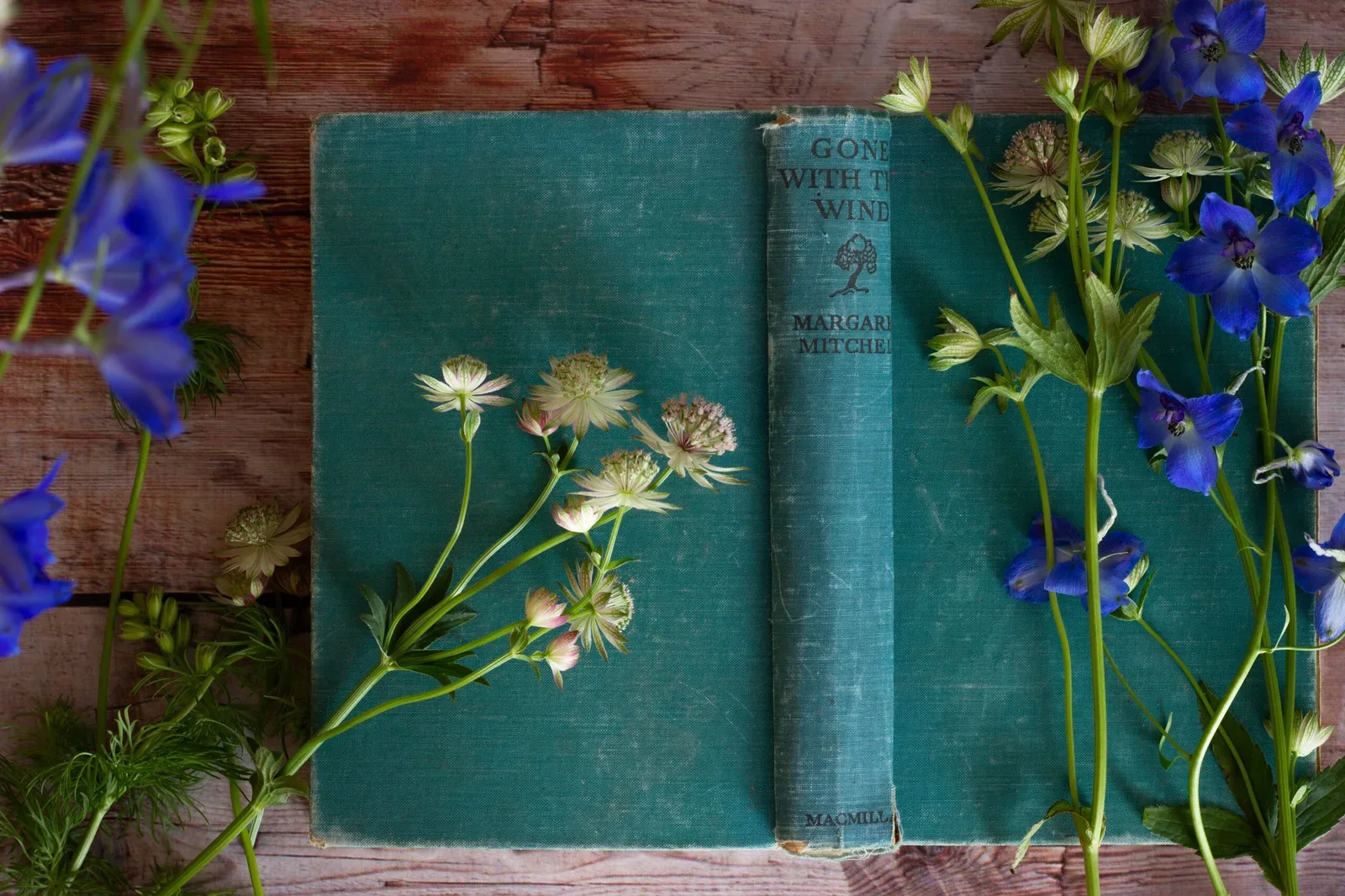
We all are familiar with the cozy feeling of being curled up with a good book - be it a thrilling novel or a vicarious adventure through ancient history told with just enough spice to make you forget you're reading about true events. What you may not know is that reading is more than an escape; it's also good for your health.
Research shows that reading can:
- Reduce stress and symptoms of depression
- Aid in getting a good night's sleep
- Enhance neural connections (builds vocabulary, expands worldviews, etc.)
- Help prevent cognitive decline and possibly lengthen lifespan
Reading can even be a form of therapy known as bibliotherapy, which can help facilitate transitions in a person's life and promote well-being. In clinical settings, mental health practitioners have used bibliotherapy to bring about insight for people struggling with emotional-behavioral problems. For people going through significant life changes, bibliotherapy can promote emotional healing. When I was going through a big crisis in my late twenties, I used bibliotherapy to deal with my pain, and come to new realizations and breakthroughs. The wisdom of words and the power of a good book are life changing.You can reap the benefits of reading for health simply by choosing a book that truly interests you. It does not have to be a particular genre, length, or meet any other requirements. Follow your gut instinct. Be aware that print and digital forms of reading have different benefits and challenges, so choose a form that works best for your situation.For our health and eco-conscious readers who want to realize the benefits of reading, we offer these titles on sustainable food systems for your reading pleasure:
- Nourished Planet: Sustainability in the Global Food System by the Barilla Center for Food and Nutrition
- Diet for a Hot Planet: The Climate Crisis at the End of Your Fork and What You Can Do about It by Anna Lappe
- Rebuilding the Foodshed: How to Create Local, Sustainable, and Secure Food Systems by Philip Ackerman-Leist
- Eating on the Wild Side by Jo Robinson
- An Everlasting Meal: Cooking with Economy and Grace by Tamar Adler
REFERENCES
- University of Minnesota. "Reading for Stress Relief." Accessed 15 June 2020.
- Pehrsson, D. E., & McMillen, P. (2007). "Bibliotherapy: Overview and implications for counselors." (ACAPCD-02). Alexandria, VA: American Counseling Association. Accessed 16 June 2020.
- ALA.org. Bibliotherapy Resources. Accessed 14 June 2020.
- Inc.com. "Why Reading Books Makes You a Better Person, According to Science." Accessed 15 June 2020.
- Healthline.com. "Benefits of Reading Books: How It Can Positively Affect Your Life." Accessed 16 June 2020.
Medical Disclaimer
This content is provided by Indigo Integrative Health Clinic for educational purposes only. It does not constitute medical advice, a diagnosis, or a treatment recommendation, and does not establish a provider-patient relationship. Individual health conditions vary — information presented here may not apply to your specific situation. Always consult a qualified, licensed healthcare provider before making decisions about your health, medications, supplements, or treatment plan.


Continue reading
Taller, Slimmer, Younger
Lifestyle
Stress & Your Body
Lifestyle

Planning for Your Best Health in 2021
Lifestyle