
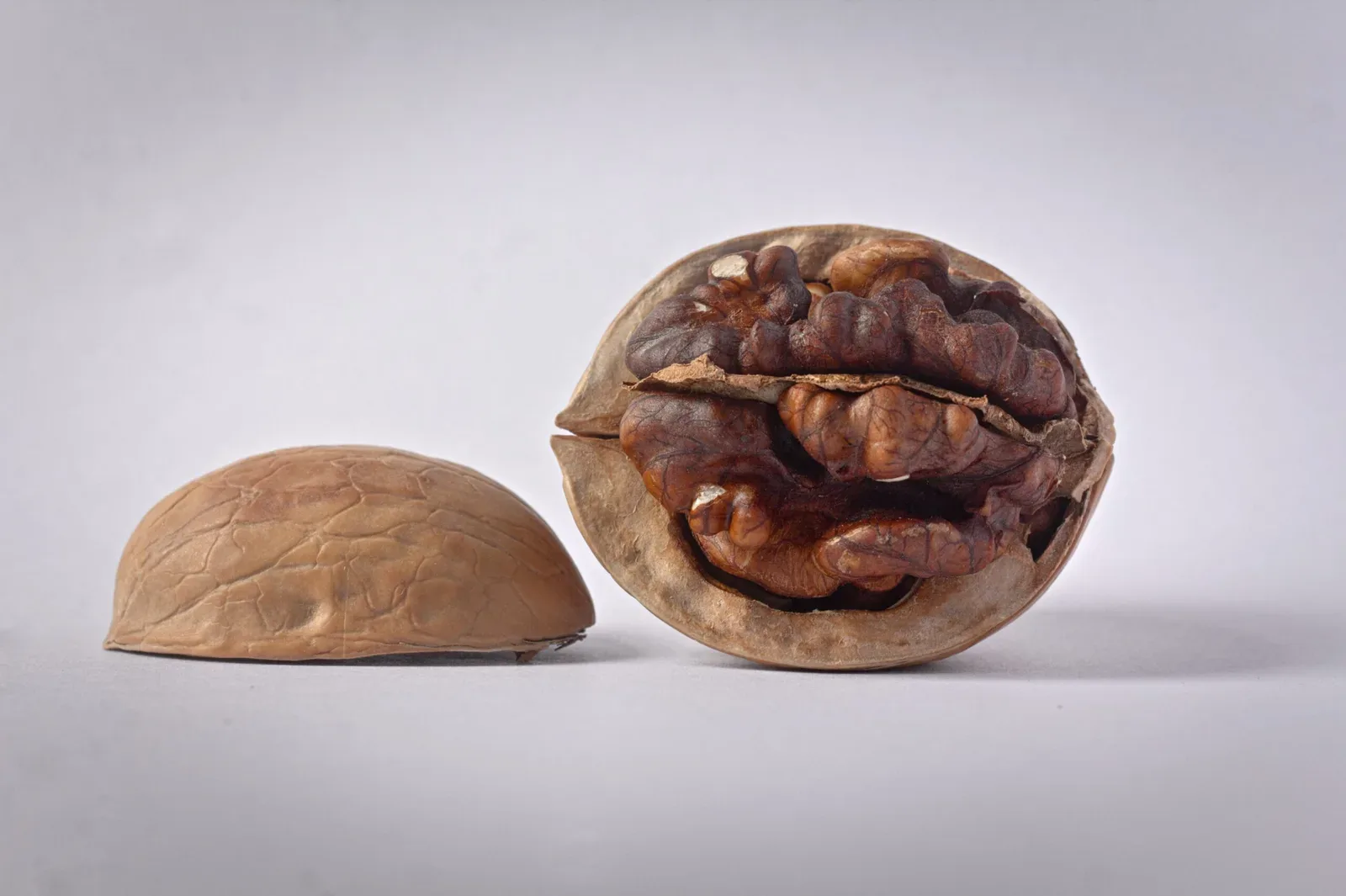
Walnuts - The Ultimate Brain Food?
By Dr. Rev. Isabel Sharkar, NMD | Published Aug 2023
Walnuts, The Ultimate Brain Food
There are good reasons to go wild for walnuts. They are rich in Omega-3-fatty acids and high in antioxidants. This powerful combination helps support immunity, the management of inflammation in the body, and provides nourishment for the brain. Additionally, research shows that walnuts have protective benefits against metabolic syndrome, cardiovascular problems,Type-2 diabetes, and dementia.Dietary studies indicate that approximately one ounce of tree nuts per day is the minimal amount needed to provide statistically significant benefits. In the case of walnuts, one ounce equals about 7 shelled walnuts, or 14 walnut halves. Add them to cereal, yogurt, salad, desserts, and entrees; enjoy them raw or toasted or as a nut butter.While walnuts are harvested in December, they are available year round. When purchasing whole, unshelled walnuts choose ones that feel heavy for their size. The shells should not be stained, cracked or pierced as this can be a sign of mold on the nutmeat, which renders it unsafe for consumption.Shelled walnuts are available in prepackaged containers, as well as bulk bins. Make sure the bins are covered and the store has a good product turnover to ensure freshness.Due to their high polyunsaturated fat content, walnuts are extremely perishable and care should be taken in their storage. Store shelled walnuts in an airtight container and place in the refrigerator, where they will keep for six months, or the freezer, where they will last for one year. Unshelled walnuts should also be stored in the refrigerator, although as long as you keep them in a cool, dry, dark place they will stay fresh for up to six months.
REFERENCES
- World's Healthiest Foods. "Walnuts." Accessed 18 Nov 2020.
- "5 Health Benefits of Walnuts." Accessed 18 Nov 2020.
- HarvardHealth.edu. "Health Benefits of Walnuts." Accessed 18 Nov 2020.
- Ros, Emilio. "Health benefits of nut consumption." Nutrients vol. 2,7 (2010): 652-82. doi:10.3390/nu2070652 Accessed 11 Nov 2020.
- Cederholm, T., Salem, N. & Jan Palmblad; ω-3 Fatty Acids in the Prevention of Cognitive Decline in Humans, Advances in Nutrition, Volume 4, Issue 6, 11 Nov 2020, Pages 672–676. Accessed 8 Apr 2018.
Medical Disclaimer
This content is provided by Indigo Integrative Health Clinic for educational purposes only. It does not constitute medical advice, a diagnosis, or a treatment recommendation, and does not establish a provider-patient relationship. Individual health conditions vary — information presented here may not apply to your specific situation. Always consult a qualified, licensed healthcare provider before making decisions about your health, medications, supplements, or treatment plan.






Continue reading

Earth-Friendly Diet Resolutions
Description to be added soon
Clinical Nutrition

Mediterranean Spaghetti Squash
Clinical Nutrition

Are Supplements Good For Me?
Clinical Nutrition