
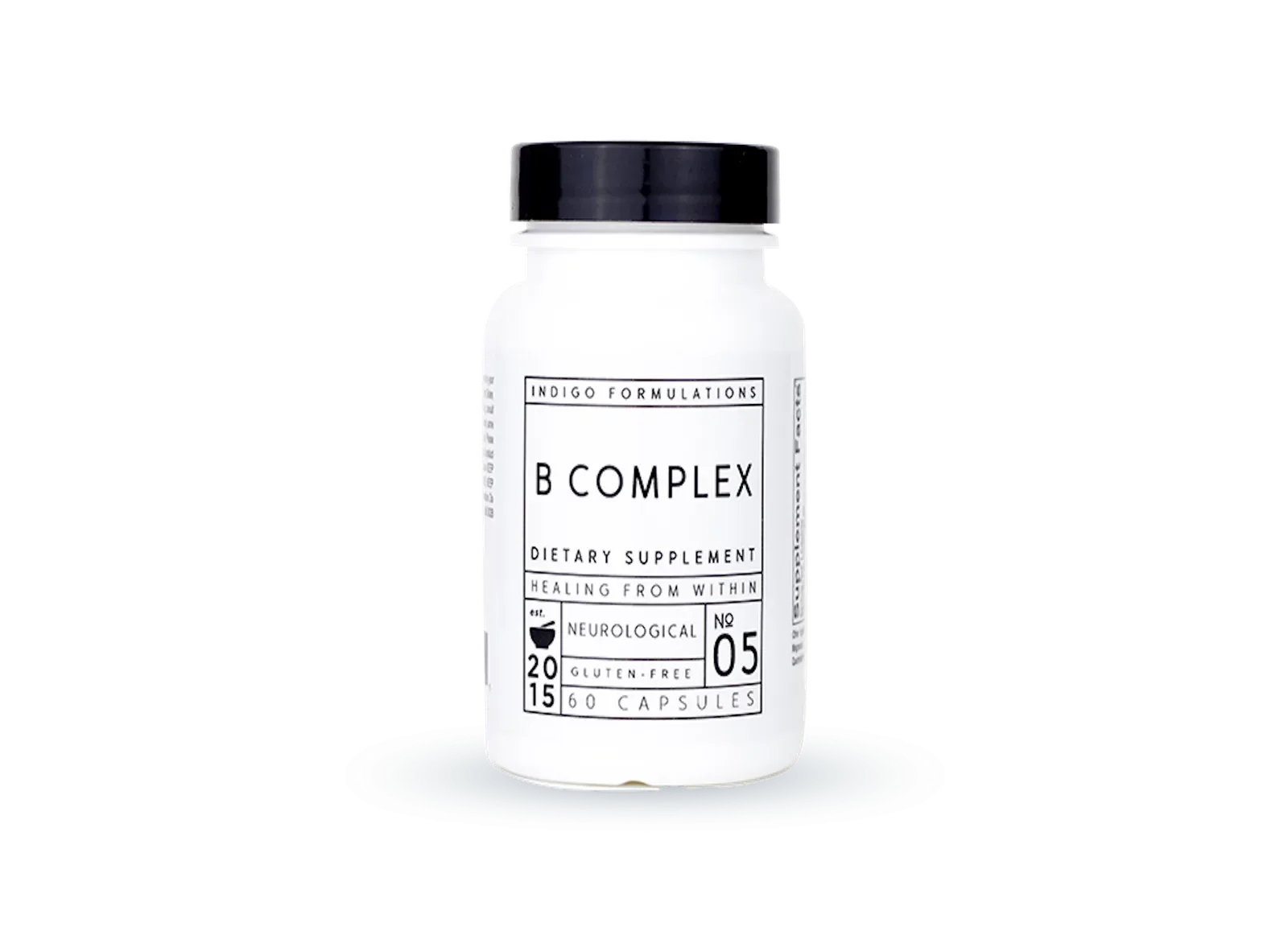
B Vitamins
By Dr. Rev. Isabel Sharkar, NMD | Published Aug 2023
May the Force 'B' With You, Vegetarian!
Vegetarianism has many health advantages, but a poorly designed diet poses significant health risks. Research shows that vegetarians (and vegans) are vulnerable to deficiencies in two important B vitamins: B12 (cobalamin) and B6 (pyridoxine).If ever a group of vitamins could be considered "the Force" within you, it's the B-Complex group, which synergistically supports energy production. Individually, each B vitamin - B1 (thiamin), B2 (riboflavin), B3 (niacin), B5 (pantothenic acid), B6 (pyridoxine), B12 (cobalamin), biotin, and folate are vital to different physiological processes throughout the body. Specifically, B12 is essential for healthy nerve cell communication while B6 is necessary for hormone regulation and breaking down dietary fat, protein, and carbohydrates.It's difficult to obtain sufficient, high-quality amounts of food-based B6 and B12 when meat, fish, eggs, and dairy are eliminated. B12 is not present in plants, so vegetarians usually need to take a supplement. Some plants contain a "glycosolated form" of B6 that is not absorbed easily or used efficiently in the body. The aging process, a vegan diet, stress, certain medications, and illness also can alter your body's ability to utilize vitamins taken from food.Signs of B12 deficiency include extreme fatigue, sadness, irritability, loss of appetite, anemia, lower immunity, and increased risk for heart disease. B6 deficiency is associated with PMS, depression, and insomnia; it can lead to nerve damage in the hands and feet, which is usually reversible with proper supplementation. Indigo Formulations makes B-Complex, which provides a healthy baseline nutrition and builds metabolic reserves.A holistic health practitioner can order a blood test to determine if a vitamin deficiency exists and work with you to identify the appropriate supplement (vitamins, injection or sublingual tablet), form of that supplement and dietary improvements for your health needs.
REFERENCES
- Asók, A.C., "Vegetarianism and vitamin B-12 (cobalamin) deficiency." American Jl of Clin Nutr (1 July 2003) 78:1; pp. 3–6.
- Vudhival, N., Ali, A., et al., "Vitamin B1, B2 and B6 status of vegetarians." J Med Assoc Thai. (1991 Oct_74:10, pp. 465-70. Accessed 12 June 2018.
- The George Mateljan Foundation (World's Healthiest Foods). "What Nutrients Are Most Likely to be Deficient in a Vegetarian Diet?" Accessed 12 June 2018.
- WorldsHealthiestFoods.com. "Vitamin B6."
- NIH.Gov. "Vitamin B-12 Dietary Supplement Fact Sheet." Accessed 12 June 2018.
- Patrick, S.J., "Vitamin B12 Deficiency Can be Sneaky, Harmful." Harvard Health Newsletter.Accessed 12 June 2019.
- Oregon State University Newsroom. "Vegetarians May Not Get the Good B6." Accessed 12 June 2018.
Medical Disclaimer
This content is provided by Indigo Integrative Health Clinic for educational purposes only. It does not constitute medical advice, a diagnosis, or a treatment recommendation, and does not establish a provider-patient relationship. Individual health conditions vary — information presented here may not apply to your specific situation. Always consult a qualified, licensed healthcare provider before making decisions about your health, medications, supplements, or treatment plan.






Continue reading
Earth-Friendly Diet Resolutions
Description to be added soon
Clinical Nutrition

Walnuts - The Ultimate Brain Food?
Clinical Nutrition
Mediterranean Spaghetti Squash
Clinical Nutrition