
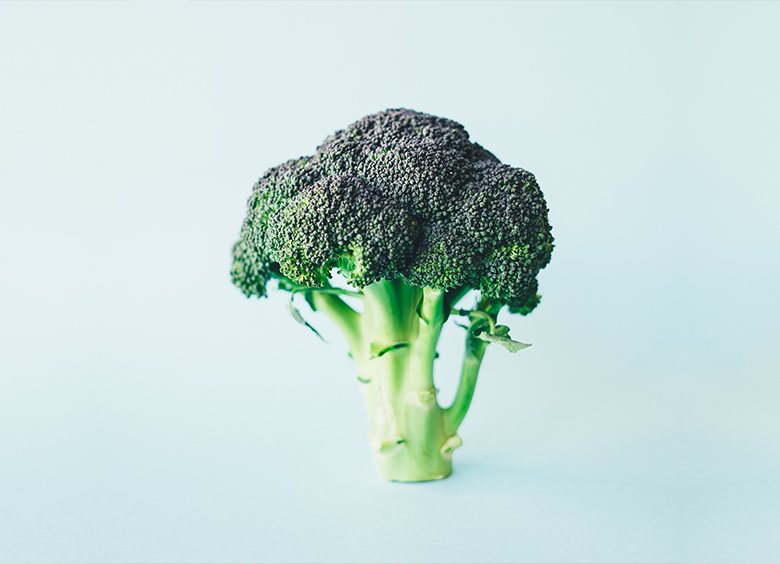
Choosing The Best Diet
By Dr. Rev. Isabel Sharkar, NMD | Published Nov 2019
Diets such as low carb, low fat, ketogenic, paleo, vegetarian, vegan, 80-10-10, Zone diet, South Beach diet, Atkins diet, and Mediterranean to name a few are constantly popping up and it’s difficult navigating through each diet to choose which is best for you. A diet that is free from processed foods and rich in wholesome organic vegetables, fruits, and high quality protein will never go out of style. Narrowing down your choices doesn’t have to be so hard when you are aware of a few important facts.Contrary to popular belief, calories in does not equal calories out. This false theory has lead many to take up diets that severely restrict calories. Surely you’ve tried eating fewer calories only to be left feeling more hungry and cranky because calorie restrictions aren’t an effective weight loss strategy. If you are not consuming enough calories, the brain increases hunger and decreases metabolic weight causing you to burn less calories. In the long run calorie restriction causes weight gain because it is not sustainable. Ninety five percent of people who diet regain all the weight in two years and in three years forty-one percent gain more weight than when they began the diet.The most important choice you have to make is choosing high quality organic food to put into your body. All food is information and poor quality processed food impacts your hormones. Many processed foods are specifically manufactured to highly stimulate the pleasure center in your brain in an unnaturally intense way. This causes you to crave and consume the food more, increasing the reward threshold of your brain. Over time, more of this craved food is required to feel the same amount of pleasure. This reward system in your brain influences the appetite regulation center that causes you to want more of the food you crave. As a result, you increase your calorie intake and put on more body fat. Highly rewarding food is a major culprit to the obesity epidemic.An enormously high percentage of people in the western world who eat westernized diets tend to be deficient in micronutrients- vitamins, minerals, and phytonutrients. In addition to getting calories from the macronutrients- proteins, carbs and fats, the body also needs calories from the micronutrients. When you have a micronutrient deficiency the brain does the same thing as if you are on a high calorie restrictive diet. It’s not about the calories you consume but the micronutrient density of the food. When your body feels like it’s in starvation mode, it will drive you to consume more calories. Increasing your intake of food that is micronutrient deficient will cause even more weight gain and calorie consumption.The best diet is one that is sustainable. Avoid suffering from extreme starvation and calorie restrictive diets. Instead make lifestyle changes that leave you feeling good and develop new habits that you love.Micronutrient Deficiency Testing
Medical Disclaimer
This content is provided by Indigo Integrative Health Clinic for educational purposes only. It does not constitute medical advice, a diagnosis, or a treatment recommendation, and does not establish a provider-patient relationship. Individual health conditions vary — information presented here may not apply to your specific situation. Always consult a qualified, licensed healthcare provider before making decisions about your health, medications, supplements, or treatment plan.






Continue reading

Earth-Friendly Diet Resolutions
Description to be added soon
Clinical Nutrition
Walnuts - The Ultimate Brain Food?
Clinical Nutrition
Mediterranean Spaghetti Squash
Clinical Nutrition