
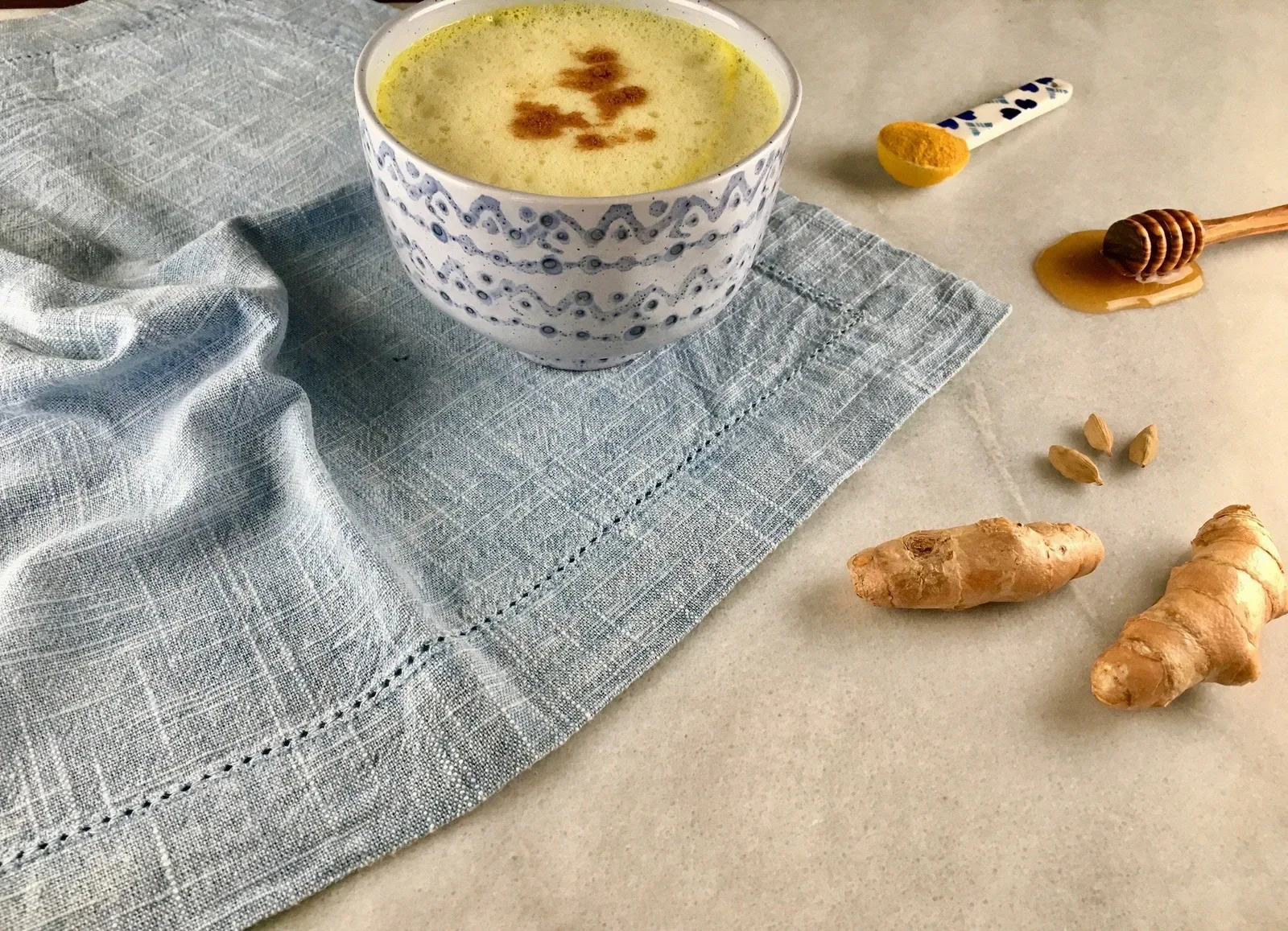
Turmeric For Joint Inflammation
By Caroline Hoeffgen, COO, BCHC, JD | Reviewed by Dr. Rev. Isabel Sharkar, NMD | Published Nov 2019
Fight Joint Inflammation with Turmeric
Turmeric (Curcuma longa) is the golden-orange spice that gives curried foods pizzazz. In Traditional Chinese and Indian Medicine, turmeric is used to treat allergies, digestive ailments, and pain. The active chemical component of turmeric is curcumin, known for its anti-inflammatory properties. Today, research is focused on the role curcumin plays in diseases where the underlying factor is inflammation, such as in heart disease and arthritis.Studies show that curcumin blocks inflammation at the cellular level. Some studies indicate that curcumin's role in preventing joint inflammation surpasses its ability to reduce active joint inflammation. In clinical trials, standardized curcumin supplements helped improve pain and swelling in patients with rheumatoid arthritis (RA). These promising results are being further investigated in long-term studies.Including turmeric in your diet is easy to do and, oh, so flavorful. Add turmeric to soups and dressings; sprinkle over meats, veggies, and scrambled eggs; add it to plain yogurt or a smoothie.While adding turmeric spice to your meals is a great first step, the amounts used in cooking do not provide the therapeutic levels needed to achieve its robust health effects. When considering the addition of turmeric to your health plan, work with your holistic health practitioner to determine if this is a good choice and which curcumin supplement is best for you. He or she can recommend the right form (capsule or powder) that will have the best bioavailability - meaning it's easy for your body to process through the digestive tract - for your specific health needs.
REFERENCES
- ArthritisFoundation.org. "Turmeric." Accessed 19 Apr 2018.
- Anand, P., Kunnumakkara, A. B., Newman, R. A., & Aggarwal, B. B. "Bioavailability of curcumin: problems and promise." Molecular Pharmaceutics, (2007). 4(6), 807-818. Accessed 19 Apr 2018.
- Chandran, B., & Goel, A. "A randomized, pilot study to assess the efficacy and safety of curcumin in patients with active rheumatoid arthritis." Phytotherapy Research,(Nov 2012). 26(11), 1719-1725 Accessed 19 Apr 2018.
- OrgegonState.edu. "Curcumin." Accessed 19 Apr 2018.
- Ghosh, S., Banerjee, S., & Sil, P. C. (2015, September). "The beneficial role of curcumin on inflammation, diabetes and neurodegenerative disease: A recent update." Food & Chemical Toxicology, 83, 111-124. Accessed 19 Apr 2018.
Medical Disclaimer
This content is provided by Indigo Integrative Health Clinic for educational purposes only. It does not constitute medical advice, a diagnosis, or a treatment recommendation, and does not establish a provider-patient relationship. Individual health conditions vary — information presented here may not apply to your specific situation. Always consult a qualified, licensed healthcare provider before making decisions about your health, medications, supplements, or treatment plan.






Continue reading

If You Have Hashimoto's and Your Iron Won't Stay Up, Look at Your Stomach
A thyroid panel and a standard blood count do not diagnose autoimmune gastritis, an immune attack on the acid-producing cells of the stomach. It is about five times more common in people with autoimmune thyroid disease. That includes both Hashimoto's and Graves' disease. It often surfaces as iron deficiency that does not correct, with B12 deficiency following later.
Thyroid / Hashimoto's
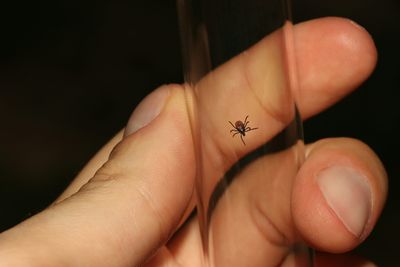
Climate Change & Lyme Disease
As the global conversation about climate change intensifies, its impact...
Lyme & Tick-Borne Illness
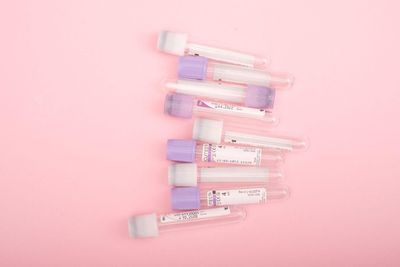
How Hashimoto's Is Diagnosed, and Why Catching It Early Protects Your Thyroid
Hashimoto's is diagnosed by combining findings, not one test: thyroid antibodies (TPO, sometimes thyroglobulin), thyroid function (TSH and free T4), symptoms, and often an ultrasound. A normal TSH does not rule it out, and a low-positive antibody is not always disease. Found early, before the gland is damaged, there is the best chance to protect it and feel better.
Thyroid / Hashimoto's