Climate Change & Lyme Disease
By Dr. Rev. Isabel Sharkar, NMD | Published Sep 2026
Exploring the Link Between Climate Change and Lyme Disease at Indigo Health Clinic
As the global conversation about climate change intensifies, its impact on the spread of infectious diseases like Lyme disease is becoming increasingly apparent. At Indigo Health Clinic, we are committed to understanding and addressing this complex relationship to better serve our patients. Being informed and prepared for future possibilities is important to us.
Understanding Climate Change's Influence on Lyme Disease
A recent article published in JAMA by infectious diseases experts has highlighted the connection between climate change and the spread of infectious diseases. The authors stress the importance of healthcare providers being prepared and educated about these changes to effectively diagnose, treat, and prevent diseases like Lyme disease.
Impact on Disease Patterns
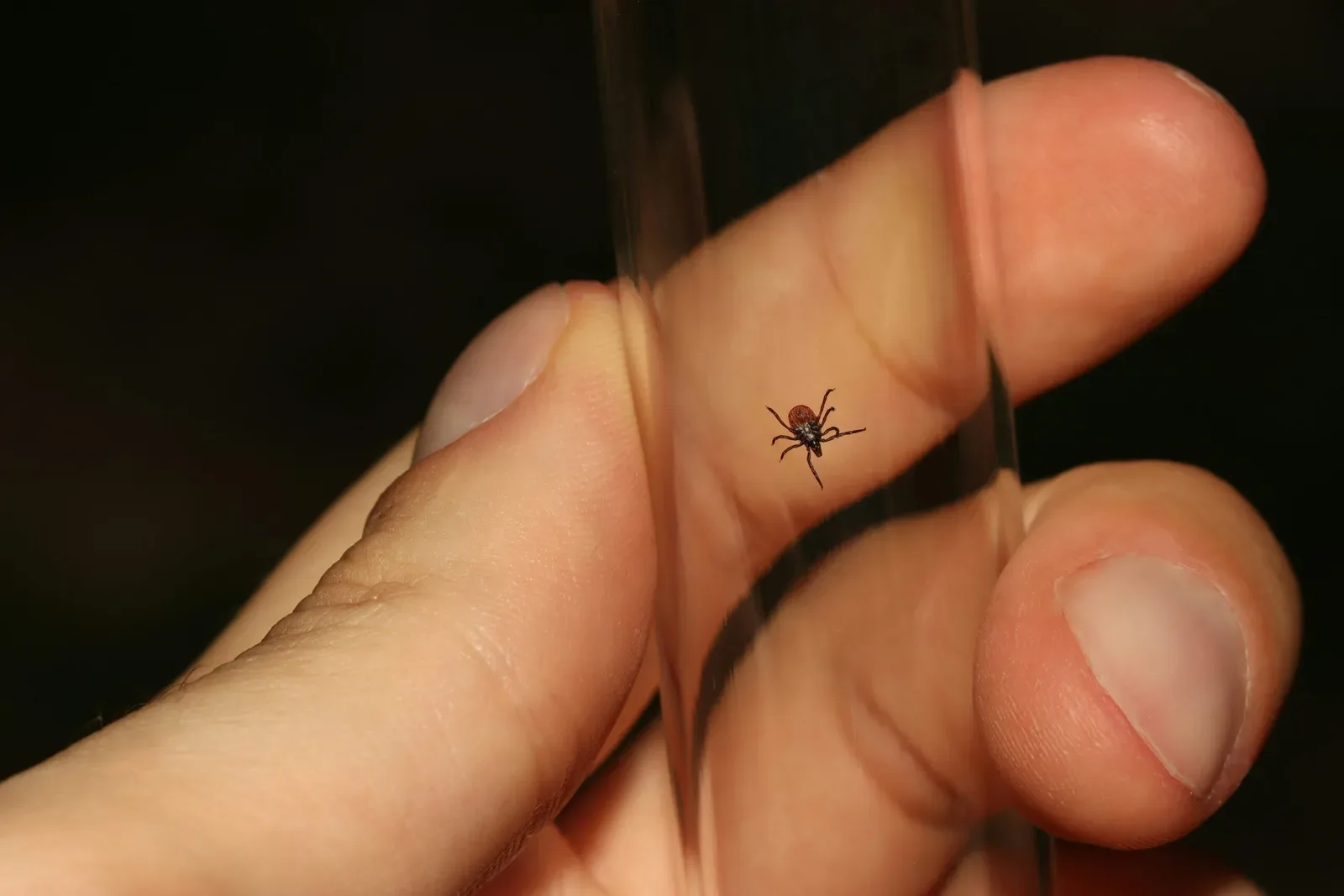
Climate change significantly affects tick behavior, which serves as vectors for Lyme disease. Changes in temperature, rainfall patterns, and habitat availability contribute to expanding tick habitats and their active periods. This leads to an increased risk of tick bites and subsequent Lyme disease transmission. As temperature continues to rise, Lyme may too.
Addressing Challenges at Indigo Health Clinic
At Indigo Health Clinic, we understand the challenges posed by climate change in Lyme disease management. Our specialized services for Lyme disease patients include early detection, comprehensive treatment plans, and patient education on preventive measures.
Embracing Innovation and Education
We are committed to staying at the forefront of research and innovation to address the evolving nature of infectious diseases in a changing climate. Our goal is to empower patients with knowledge and tools to navigate these challenges effectively. The intersection of climate change and Lyme disease presents unique challenges and opportunities for healthcare providers and patients. At Indigo Health Clinic, we are dedicated to raising awareness, providing expert care, and advocating for proactive measures to mitigate the impact of climate change on Lyme disease. It's important to stay aware of how climate change may impact infectious diseases like Lyme.
Medical Disclaimer
This content is provided by Indigo Integrative Health Clinic for educational purposes only. It does not constitute medical advice, a diagnosis, or a treatment recommendation, and does not establish a provider-patient relationship. Individual health conditions vary — information presented here may not apply to your specific situation. Always consult a qualified, licensed healthcare provider before making decisions about your health, medications, supplements, or treatment plan.






Continue reading

Lyme Disease Is in Rock Creek Park, Northern Virginia, Maryland, and DC. All Are on the CDC's High-Incidence List
The CDC classifies Washington DC, Maryland, and Virginia as high-incidence areas for Lyme. Standard two-tier blood testing catches only 22 to 36 percent of early infections, so a negative result does not rule Lyme out when symptoms are present. Free state and county programs identify a tick's species but do not test it for disease, and broader co-infection testing is not routinely ordered.
Lyme & Tick-Borne Illness

Babesia: The Lyme Co-Infection Your Treatment May Have Missed
Babesia is a malaria-like parasite carried by the same tick that carries Lyme. Because it is a parasite and not a bacterium, the antibiotics typically used for Lyme have no effect on it. It is seldom tested for, so people can finish Lyme treatment, still feel sick, and not understand why.
Lyme & Tick-Borne Illness

Scientists Engineered Mice to Block Lyme. What It Means if You Already Have It
Scientists at MIT engineered mice that fight off Lyme and pass that protection to their pups. In a 2026 study, ticks that fed on these mice picked up almost no Lyme. It is a real step toward fewer infected ticks, but it does little for anyone who already has it.
Lyme & Tick-Borne Illness