

Food Sensitivities and Children’s Behavior
By Caroline Hoeffgen, COO, BCHC, JD | Reviewed by Dr. Rev. Isabel Sharkar, NMD | Published Dec 2019
Why Your Little Ones May Be Driving You Mad
Food sensitivities and children's behavior have been linked. Believe it or not, what we feed our little ones may be the root cause of many disorders. Diet affects both our neurotransmitters and brain. Food is the building block that becomes our foundation. Food sensitivities may be the culprit to why your little ones are experiencing behavioral problems like attention deficit hyperactivity disorder (ADHD), increased hyperactivity, impulsivity, lack of concentration or cooperation, outbursts, stomachaches, rashes, and headaches. Eliminating certain foods from the diet may significantly help some children.According to recent data from the Centers for Disease Control and Prevention (CDC), 6.4 million American kids have been labeled with the medical diagnosis. Of which, 4.3 million kids received powerful mind-altering stimulant medications. Some things you can try at home before placing your child on a heavy prescription drug includes testing for and eliminating food sensitivities. The following have been linked to behavioral problems and eliminating these from the diet is a great place to start: gluten, processed sugar, artificial sweeteners like aspartame, dairy, eggs, soy, preservatives, pesticides, MSG, genetically modified food, and artificial food dyes such as FD&C blue (1, 2), yellow (5, 6), green (3), red (3, 40), citrus red 2, and orange B.If your child is consuming something they are sensitive to resulting in inflammation in the brain, this can lead to meltdowns, irritability, anxiety, depression, and brain fog. Unaddressed food sensitivities can also lead to leaky gut, which will further impact behavior and may lead to malabsorption of vital nutrients needed for growth and development. A noticeable negative behavioral reaction from food can last anywhere from 24 hours to three days.
What You Can Do
In order for children to stay focused and energized, they should start their days with balanced blood sugar. Protein helps to do this and stabilize healthy growth. However, cereals filled with processed sugars, artificial colors and preservatives promote energy peaks and crashes that can lead to temper tantrums and loss of focus. Add an omega-3 fatty acid DHA supplement, check vitamin D levels, add a wide spectrum probiotic, and increase dietary fat (olive oil, coconut oil, flax oil, nuts, seeds, avocado). Buy organic, become familiar with the Dirty Dozen and read food labels— if you don’t recognize an ingredient, don’t buy the food product and give it to your child to consume. By taking time to prepare healthy food you are showing your children the importance of healthy eating and living.Read more here about food sensitivities and testing.
Medical Disclaimer
This content is provided by Indigo Integrative Health Clinic for educational purposes only. It does not constitute medical advice, a diagnosis, or a treatment recommendation, and does not establish a provider-patient relationship. Individual health conditions vary — information presented here may not apply to your specific situation. Always consult a qualified, licensed healthcare provider before making decisions about your health, medications, supplements, or treatment plan.






Continue reading

If You Have Hashimoto's and Your Iron Won't Stay Up, Look at Your Stomach
A thyroid panel and a standard blood count do not diagnose autoimmune gastritis, an immune attack on the acid-producing cells of the stomach. It is about five times more common in people with autoimmune thyroid disease. That includes both Hashimoto's and Graves' disease. It often surfaces as iron deficiency that does not correct, with B12 deficiency following later.
Thyroid / Hashimoto's
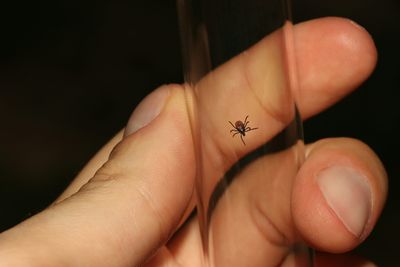
Climate Change & Lyme Disease
As the global conversation about climate change intensifies, its impact...
Lyme & Tick-Borne Illness
How Hashimoto's Is Diagnosed, and Why Catching It Early Protects Your Thyroid
Hashimoto's is diagnosed by combining findings, not one test: thyroid antibodies (TPO, sometimes thyroglobulin), thyroid function (TSH and free T4), symptoms, and often an ultrasound. A normal TSH does not rule it out, and a low-positive antibody is not always disease. Found early, before the gland is damaged, there is the best chance to protect it and feel better.
Thyroid / Hashimoto's