
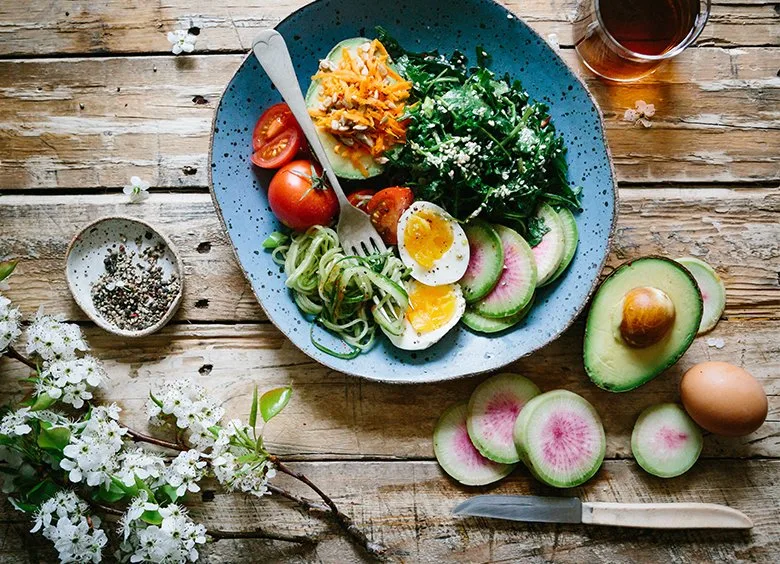
Glutathione & Vitamin C, The Power House
By Dr. Rev. Isabel Sharkar, NMD | Published Aug 2023
The holiday season is often a time to indulge but all the heavy carb-packed food and alcohol consumption may run havoc on your skin. There are two things you want to remember this holiday season to repair your skin- vitamin C and glutathione. When combined, these two ingredients form radiant skin from the inside out.By now, you already know vitamin C is a powerful antioxidant that helps the body form and maintain connective tissue including bones, blood vessels and skin. What you may not know is that when vitamin C is combined with glutathione, the master antioxidant, they form a power combo that fights toxins that cause hyperpigmentation, free radicals, oxidation and cellular damage. Free radicals and oxidation are commonly high during holiday season from over eating processed things you normally don’t eat, drinking and smoking, which cause accelerated aging.For beautiful skin this holiday season, throw in some food that is high in glutathione such as eggs, whey protein and sulfur-rich vegetables like garlic, onions, parsley and cruciferous vegetables, as well as avocados, tomatoes, asparagus, spinach and courgette. Cooking reduces the glutathione by 60% whereas canning eliminates it completely, so eat fresh! Dandelion greens are high in vitamin C, which we rely on to produce collagen. Eat dandelion greens raw in your salads as a bitter to also stimulate digestion, or sauté them with garlic the way you would spinach. Other foods rich in vitamin c include bell peppers, broccoli, dark leafy greens, kiwi, oranges, and papayas.This glutathione - vitamin C power combo not only improves your skin but they enhance your immune system and detoxify your liver. When the holiday season is over, get back on track with a detox and flush out all the indulgences out of your system with foods high in these antioxidants.Learn more about Glutathione, What Everyone Needs.
Medical Disclaimer
This content is provided by Indigo Integrative Health Clinic for educational purposes only. It does not constitute medical advice, a diagnosis, or a treatment recommendation, and does not establish a provider-patient relationship. Individual health conditions vary — information presented here may not apply to your specific situation. Always consult a qualified, licensed healthcare provider before making decisions about your health, medications, supplements, or treatment plan.






Continue reading

Earth-Friendly Diet Resolutions
Description to be added soon
Clinical Nutrition
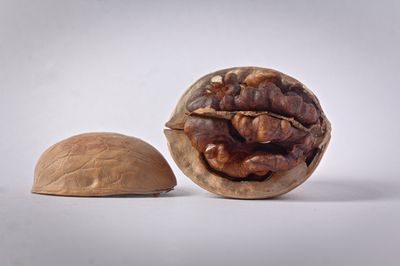
Walnuts - The Ultimate Brain Food?
Clinical Nutrition
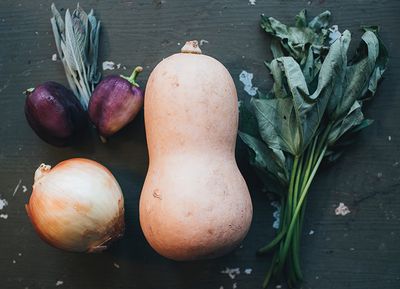
Mediterranean Spaghetti Squash
Clinical Nutrition