
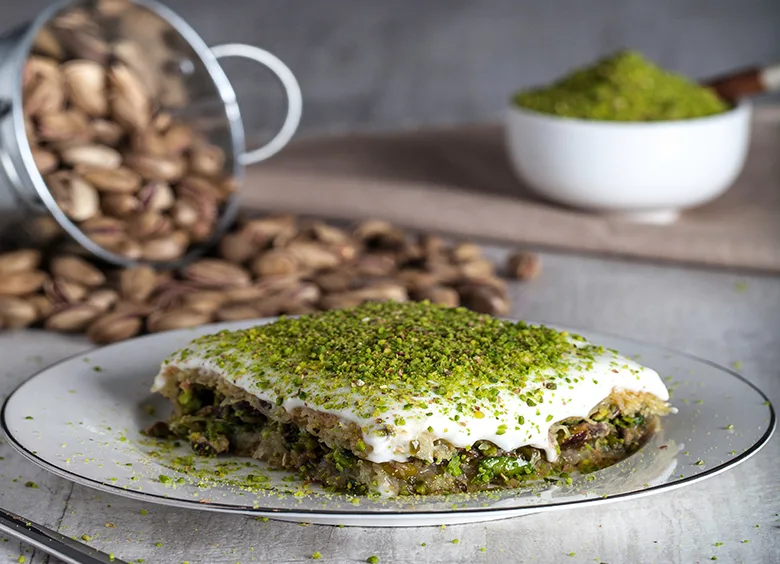
Pistachios, One of Our Favorite Nuts
By Dr. Rev. Isabel Sharkar, NMD | Published Nov 2019
GO NUTS FOR PISTACHIOS!
From Middle Eastern desserts, where pistachios originate (and Central Asia), to eating them alone as a snack, they are delicious. Pistachios are actually apart of the cashew family.Pistachios are robust in many nutrients that support healthy brain function. They are a great source of Vitamin B6, which can be quite low in people who have depression. B6 plays a role in energy production and helps the body make the brain chemicals (neurotransmitters) serotonin and norepinephrine that influence mood, and melatonin, which helps regulate the body's internal sleep-wake clock. Pistachios contain the minerals calcium, magnesium, potassium, selenium, and phosphorus. Minerals are necessary for the production of hormones important to emotional well-being. Pistachios also contain carotene and Vitamins A and E, which help protect the body from infection and disease.The pistachio is naturally yellow-green in color. If you see red pistachios, those have been dyed and should not be purchased. A tightly closed shell around the kernel indicates the nut is not yet ripe. Ripe pistachios have an open shell. The nuts will stay fresh for up to a year if stored in the shell, but are best if eaten within four months of purchase. Store pistachios in an airtight container in the fridge to preserve nutrient content.There are many easy and tasty ways to enjoy the health benefits of pistachios. Eat them by the handful, raw or roasted, or sprinkle over a salad. Crushed pistachio kernels or flour is an excellent addition to your favorite breadcrumb or cookie mixture. Pistachio cooking oil will add a delicately sweet nutty flavor to your favorite recipes.
RESOURCES
- "Pistachio Nutrition Facts." Accessed December 13, 2017.
- "Nuts and Seeds as sources of Alpha and Gamma Tocopherols." Accessed December 14, 2017.
- Nuts.com "5 Surprising Benefits of Pistachios." Accessed December 14, 2017.
- University of Maryland Medical Center Complementary & Alternative Medicine Guide UMM.edu. "Vitamin B6 (Pyridoxine)." Accessed 15 Dec 2017.
Medical Disclaimer
This content is provided by Indigo Integrative Health Clinic for educational purposes only. It does not constitute medical advice, a diagnosis, or a treatment recommendation, and does not establish a provider-patient relationship. Individual health conditions vary — information presented here may not apply to your specific situation. Always consult a qualified, licensed healthcare provider before making decisions about your health, medications, supplements, or treatment plan.






Continue reading

Earth-Friendly Diet Resolutions
Description to be added soon
Clinical Nutrition
Walnuts - The Ultimate Brain Food?
Clinical Nutrition
Mediterranean Spaghetti Squash
Clinical Nutrition