
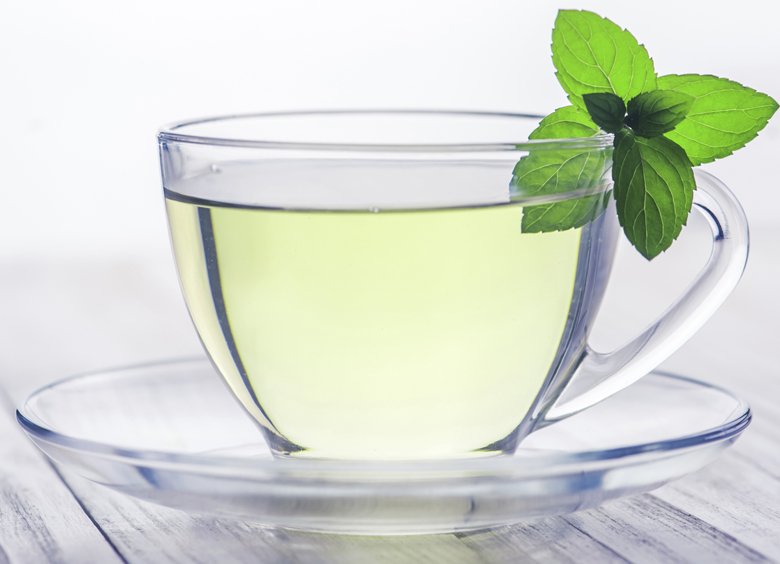
Green Tea
By Dr. Rev. Isabel Sharkar, NMD | Published Nov 2019
The Chinese have been using green tea for a very long time as medicine to aid headaches, body aches, poor digestion and improve well-being.Green tea extract contains high levels of antioxidants. EGCG is a particular antioxidant found in green tea that can protect against digestive and respiratory infections, block the carcinogens which promote cancer, is anti-bacterial and can help lower cholesterol.Green tea helps with thermogenesis, which raises the metabolism and possibly burning fat.Green tea extract also helps reduce the risk of heart disease, cancer and liver failure.Benefits:
- full of antioxidants
- fights cancer
- lowers cholesterol
- protects against heart disease
- speeds metabolism
- anti-bacterial; reduces plaque and bacteria in your mouth; prevents cavities
- detoxifies
- maintains a healthy circulatory system
- prevents diabetes
- prevents dementia
My favorite green tea is organic SENCHA green tea, which can be found at Whole Foods. When preparing your cup of green tea, pour hot water into a cup and then add two tea bags. Avoid pouring hot water directly onto green tea bags. Drink at least 2 cups of green tea a day for health benefits.
Medical Disclaimer
This content is provided by Indigo Integrative Health Clinic for educational purposes only. It does not constitute medical advice, a diagnosis, or a treatment recommendation, and does not establish a provider-patient relationship. Individual health conditions vary — information presented here may not apply to your specific situation. Always consult a qualified, licensed healthcare provider before making decisions about your health, medications, supplements, or treatment plan.






Continue reading

Earth-Friendly Diet Resolutions
Description to be added soon
Clinical Nutrition
Walnuts - The Ultimate Brain Food?
Clinical Nutrition

Mediterranean Spaghetti Squash
Clinical Nutrition