

Green Tea Smoothie
By Dr. Rev. Isabel Sharkar, NMD | Published Nov 2019
GREEN TEA SMOOTHIE WITH LIME AND AVOCADO
This is a refreshing and creamy twist on the green tea smoothie, which is often prepared with fruit. Lime juice and freshly squeezed lemon add tangy pizzaz to this beautiful and nutrient-rich smoothie. Green tea and kale provide antioxidants, while avocado contributes healthy fats, making this a satisfying afternoon treat or an excellent complement to breakfast. It’s also an ideal addition to a healthy detox routine.
INGREDIENTS
- Flesh from 1 avocado
- 2 sweet apples, cored and roughly chopped
- 1/2 small zucchini, roughly chopped
- 1/2 cup chopped broccoli florets
- 1 small knob peeled ginger
- Roughly 1/4 cup loosely packed parsley
- 1/2 juiced lime
- 2 leaves kale
- 1 cup brewed and cooled green tea
- 2/3 cup almond milk (or water)
- 2 tsp chia seeds (optional)
You might like to stop and taste after blending in the lime and lemon, to see if the flavor suits your taste. Add all ingredients to a high-powered food processor and blend until smooth and combined.Pour into two jars and stir a teaspoon of chia seeds through each. Allow to sit at least half an hour (though overnight is best) before consuming. This will allow the chia seeds to absorb the liquid. Or drink straight away, whatever your preference is!
RESOURCE
Medical Disclaimer
This content is provided by Indigo Integrative Health Clinic for educational purposes only. It does not constitute medical advice, a diagnosis, or a treatment recommendation, and does not establish a provider-patient relationship. Individual health conditions vary — information presented here may not apply to your specific situation. Always consult a qualified, licensed healthcare provider before making decisions about your health, medications, supplements, or treatment plan.






Continue reading

Earth-Friendly Diet Resolutions
Description to be added soon
Clinical Nutrition
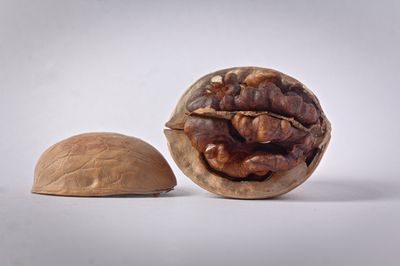
Walnuts - The Ultimate Brain Food?
Clinical Nutrition
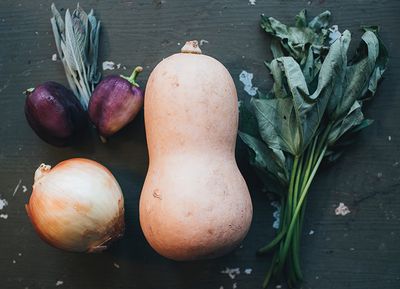
Mediterranean Spaghetti Squash
Clinical Nutrition