
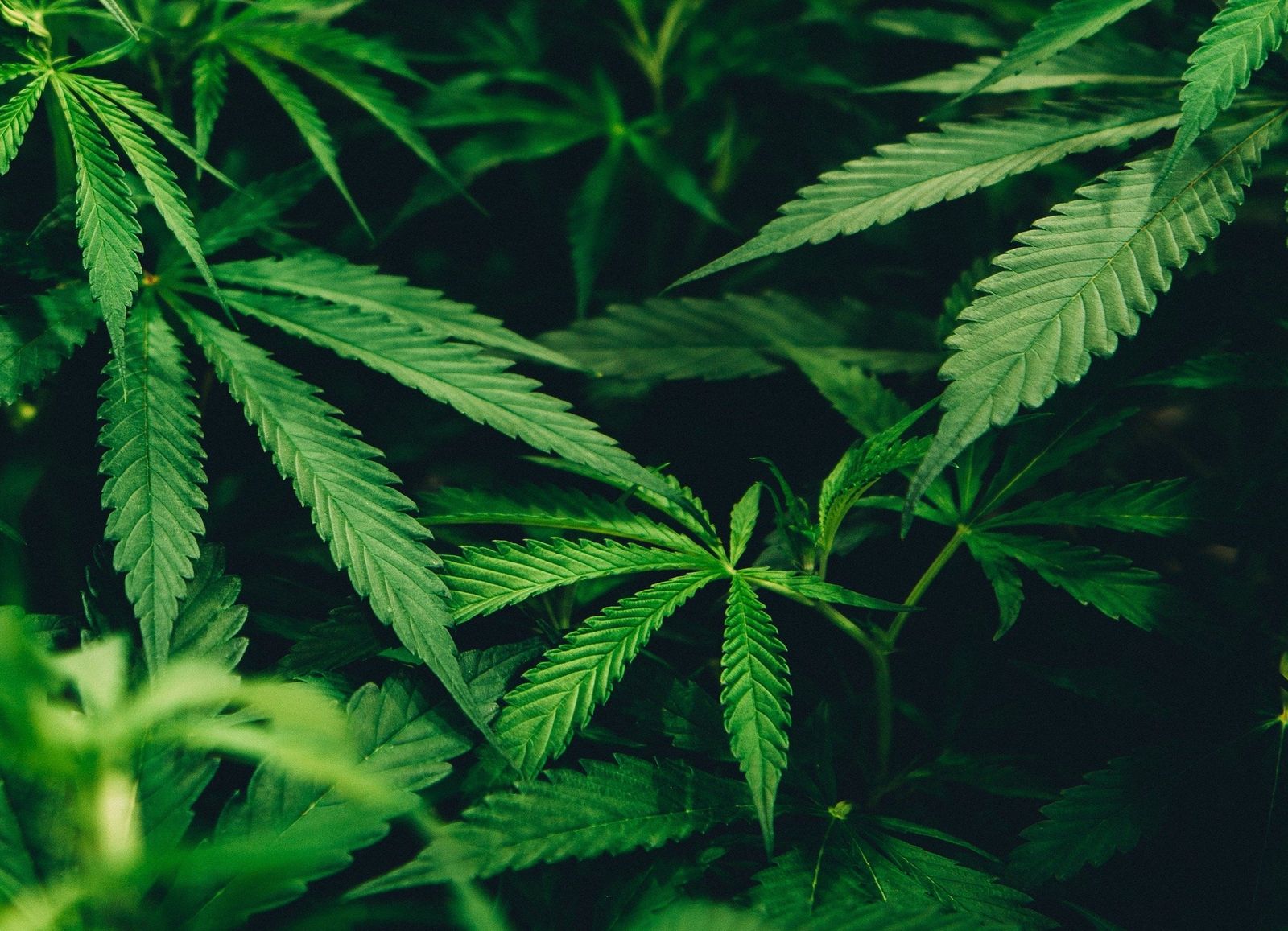
Hemp Seeds Nourish Brain Health
By Dr. Rev. Isabel Sharkar, NMD | Published Aug 2023
Although hemp seeds come from the same species of plant as marijuana, it does not contain psychoactive chemicals and it stands on its own regarding health benefits. Hemp is considered "brain-friendly" because it's rich in nutrients, especially omega-6 and omega-3 essential fatty acids - a group of fats the body doesn't make on its own. A healthy ratio of these fatty acids (EFAs) is generally 2:1. Eating hemp seeds provides that balance, which is important for Westerners whose diets typically include more omega-6 fats. These EFAs, plus antioxidants found in hemp, help reduce inflammation, which plays a crucial role in overall health particularly for the heart and the brain.The protein in hemp is another stand-out nutrient. Hemp seeds are one of the few plant sources that contain all the essential amino acids the body cannot manufacture on its own and yet are necessary for many bodily functions. Both fat and protein are critical for brain development from conception through birth and beyond. As we age, we need these nutrients to feed the protective layers around nerve tissue. Researchers are actively examining the benefits of hemp seed for brain health and in relation to conditions such as Alzheimer's and Parkinson's Disease.The light, nutty flavor of hemp seeds makes them an easy addition to anyone's diet. Enjoy them raw; blend to make hemp milk; mix into cereal, yogurt, salads, smoothies, and desserts; or add to soups and other recipes.Hemp seeds are best bought shelled/hulled and are usually labeled as "hemp seed hearts." Store in the fridge or freezer for the longest preservation of flavor and nutrient content. You can also store hemp in a dry, cool area away from heat sources for up to one year.
REFERENCES
- PsychologyToday.com. "Hemp: A Recipe for Brain Health." Post written by Korn, L.E. Posted 24 Jul 2017. Accessed 6 April 2018.
- "Characterization of Lignanamides from Hemp (Cannabis sativa L.) Seed and Their Antioxidant and Acetylcholinesterase Inhibitory Activities" as cited in GreenMedInfo.com. "Hemp Seed Could Have Anti-Alzheimer's Benefits, New Study Reveals." Posted 24 Dec 2015. Accessed 6 Apr 2018: Full Research Article Link: J. Agric. Food Chem. 63, 49, 10611-10619
- Neotrition.com. Food for Thought: "Brain Food Essentials: Hemp Seeds." Posted written by Leesa Klich, Msc, Rhn. Accessed 6 April 2018.
- PureHealingFoods.com. "Hemp Seed FAQ." Accessed 6 April 2018.
- Callaway, J.C. "Hemp Seed as a Nutritional Resource." Euphytica (2004) 140: 65.
Medical Disclaimer
This content is provided by Indigo Integrative Health Clinic for educational purposes only. It does not constitute medical advice, a diagnosis, or a treatment recommendation, and does not establish a provider-patient relationship. Individual health conditions vary — information presented here may not apply to your specific situation. Always consult a qualified, licensed healthcare provider before making decisions about your health, medications, supplements, or treatment plan.






Continue reading
Earth-Friendly Diet Resolutions
Description to be added soon
Clinical Nutrition
Walnuts - The Ultimate Brain Food?
Clinical Nutrition
Mediterranean Spaghetti Squash
Clinical Nutrition