
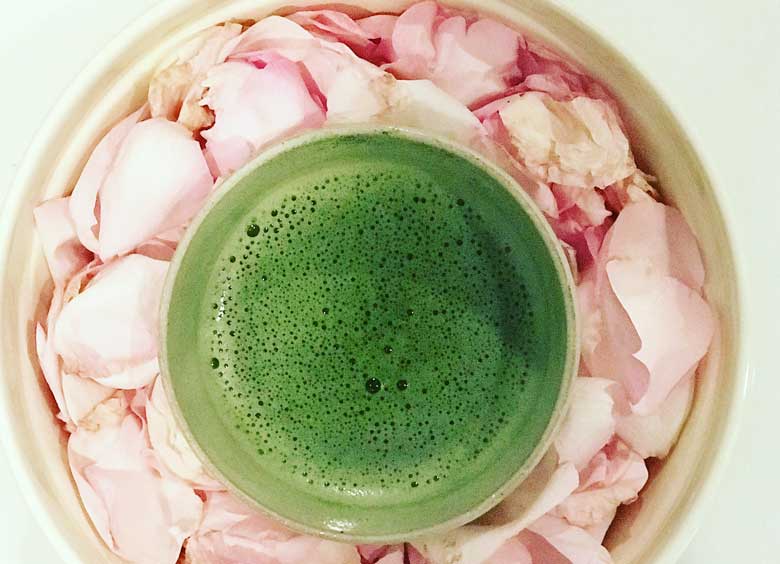
Matcha Tea Ceremony
By Dr. Rev. Isabel Sharkar, NMD | Published Aug 2023
Now that you know a little bit about the history of tea and tea ceremonies by reading Tea Cermonies, A Time for Stillness, it’s time to prepare for your own tea ceremony.
WHAT YOU WILL NEED
- High-grade match tea, I purchase mine from Ippodo Tea
- A 100 Tine Japanese Chasen (match whisk)
- A strainer for the matcha, you can purchase this at Ippodo Tea as well or Amazon
- A Matcha Chawan (matcha bowl to whisk matcha in, preferably with a spout)
- A Matcha Whisk Rest (it’s a stand to rest your matcha whisk)
- Bamboo Teaspoon Matcha Powder Scoop
You can purchase a set on Amazon. Another cute place is Kettl.
PREPARATION
- Boil hot water in your kettle
- Pour water into your matcha bowl to warm it up
- Soften the tines of your bamboo in hot water in your matcha bowl, to let the tines relax for 2 minutes
- Pour out the water from your mixing bowl and dry it completely
- Place the sifting strainer on your bowl and use your Bamboo teaspoon to scoop one scoop of matcha tea into strainer
- Strain matcha so it is fine
- Add water from kettle into matcha bowl
- Whisk vigorously without letting tines touch the bottom and sides of the bowl to avoid injury
- Whisk until frothy and smooth
- Let it cool slightly and sit silently and drink your matcha tea in four to five sips setting your intentions for the day, giving thanks
- Consider the metaphor of tea preparation. Something from outside enters our lives, changes us in unique ways, and helps us bring attention to the fact that we exist, fully aware, each minute of the day.
- Rinse your utensils when finished with the same inner attention you used to prepare your tea
Medical Disclaimer
This content is provided by Indigo Integrative Health Clinic for educational purposes only. It does not constitute medical advice, a diagnosis, or a treatment recommendation, and does not establish a provider-patient relationship. Individual health conditions vary — information presented here may not apply to your specific situation. Always consult a qualified, licensed healthcare provider before making decisions about your health, medications, supplements, or treatment plan.






Continue reading

Earth-Friendly Diet Resolutions
Description to be added soon
Clinical Nutrition
Walnuts - The Ultimate Brain Food?
Clinical Nutrition
Mediterranean Spaghetti Squash
Clinical Nutrition