
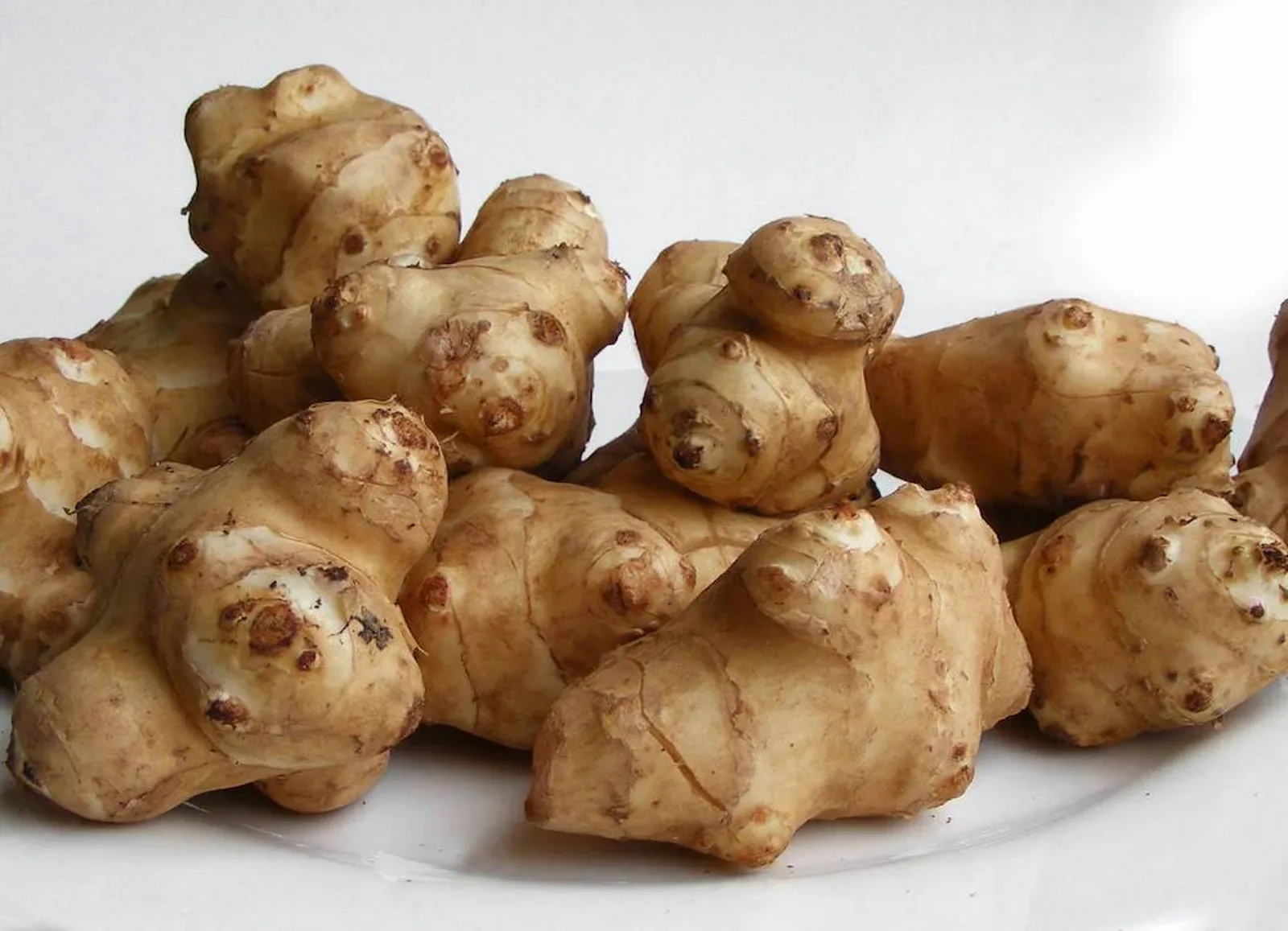
Sunchokes And Your Taste Buds
By Dr. Rev. Isabel Sharkar, NMD | Published Nov 2019
Surprise Your Taste Buds with Sunchokes
On your next foray down the produce aisle, don't overlook the wonderful sunchoke, aka Jerusalem Artichoke. These tubers look nothing like an artichoke and are easily mistaken for a strange potato! A native North American plant, sunchokes are a member of the sunflower family.Low in calories and nutrient dense, sunchokes provide iron, potassium, thiamin (one of the B vitamins) and a good amount of fiber in a one-cup serving. The carbohydrate contained in sunchokes is inulin, which doesn't cause spikes in blood sugar. Inulin is a great option for anyone concerned about diabetes or weight management. Sunchokes also contain vitamins, A, C, and E.The most unique nutrient found in sunchokes is known as prebiotics, a type of non-digestible carbohydrate found in many root vegetables. Food-based prebiotics enhance nutrient absorption and help maintain a healthy intestinal tract by promoting growth of "good" gut bacteria, which supports immunity. Prebiotics are food for the probiotics.Sunchokes have a nutty, mildly sweet flavor and are delightful to eat raw - shredded or sliced into a salad or sliced and served with raw carrots and other veggies. They can be cooked in a variety of ways and added to stir-fry dishes in lieu of water chestnuts. Their flavor is enhanced when lightly seasoned for sauteing or roasting. You can also puree sunchokes for soups.Available year-round in the U.S., prime harvest time is October through early spring. Buy tubers that are firm, free of sprouts or bruises, with a smooth, clean surface making them easier to prepare. Enjoy these nutrient dense treasures.
REFERENCES
- NutritionAndYou.com. "Jerusalem Artichokes." Accessed 11 June 2018.
- Chatelaine.com. "Five Health Benefits of Jerusalem Artichokes." Accessed 11 June 2018.
- DonnieYance.com. "Sunchokes: A humble food with many health benefits." Accessed 11 June 2018.
Medical Disclaimer
This content is provided by Indigo Integrative Health Clinic for educational purposes only. It does not constitute medical advice, a diagnosis, or a treatment recommendation, and does not establish a provider-patient relationship. Individual health conditions vary — information presented here may not apply to your specific situation. Always consult a qualified, licensed healthcare provider before making decisions about your health, medications, supplements, or treatment plan.






Continue reading

Earth-Friendly Diet Resolutions
Description to be added soon
Clinical Nutrition
Walnuts - The Ultimate Brain Food?
Clinical Nutrition
Mediterranean Spaghetti Squash
Clinical Nutrition